Wooden Houses: Glulam Log House Kits
Wooden houses built from glulam: walls machined from 70 x 130 to 220 x 260 mm glued-laminated profiles, single or two storey, manufactured in Lithuania and quoted per project.
Glulam houses and glulam log house kits
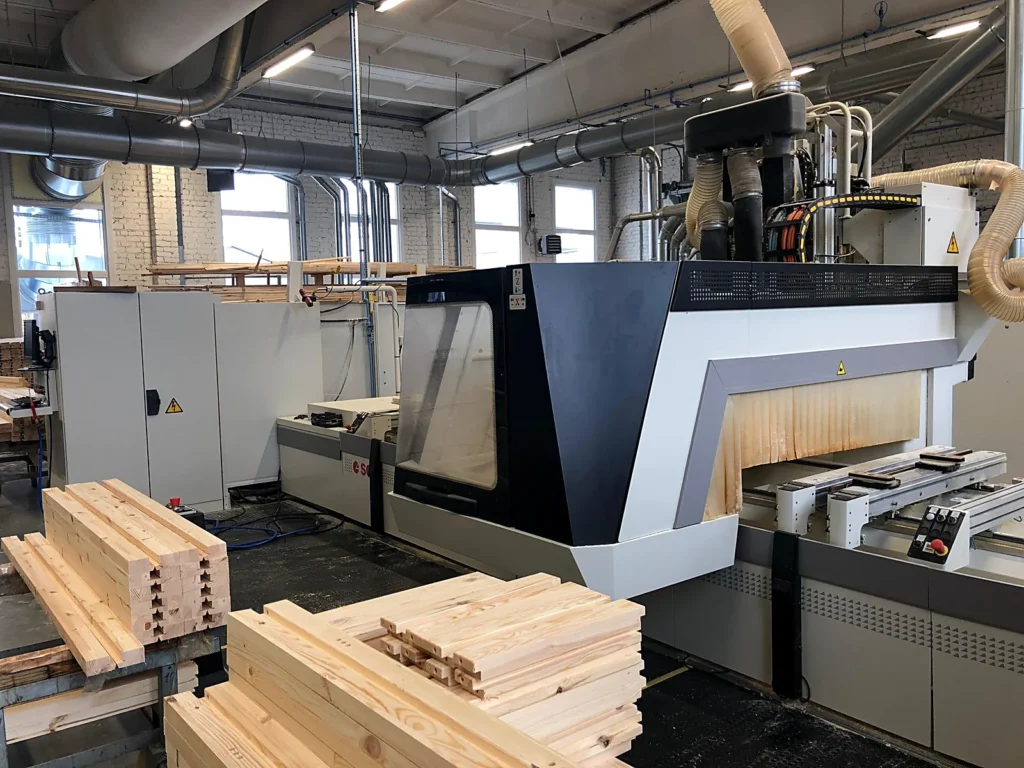
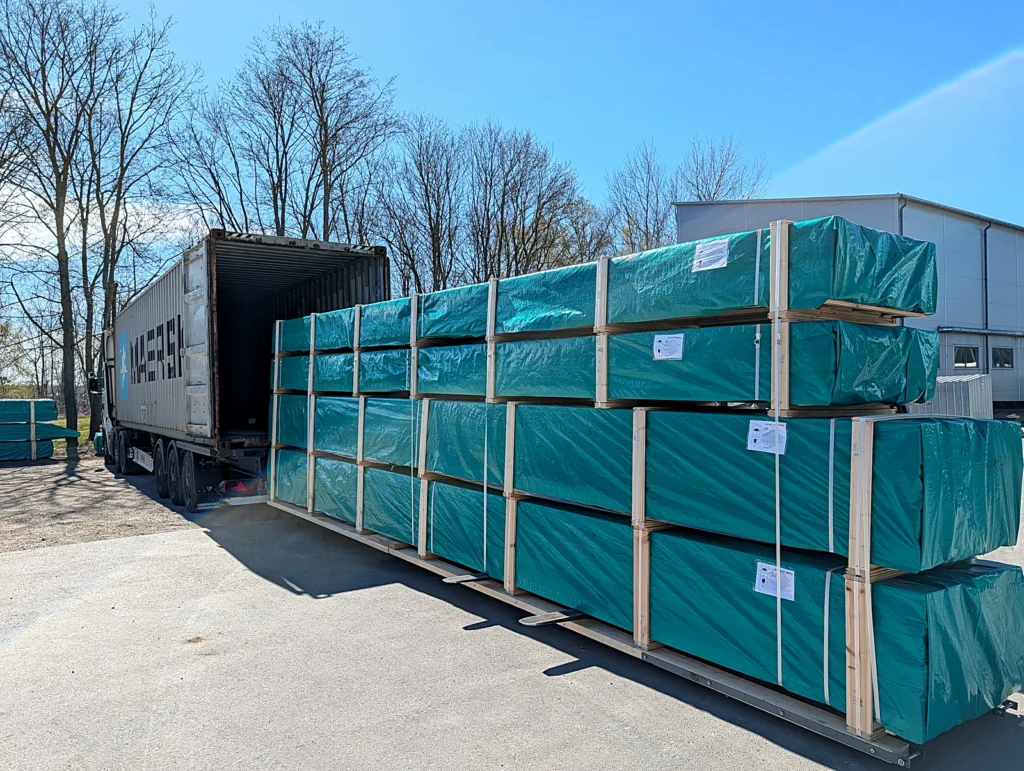
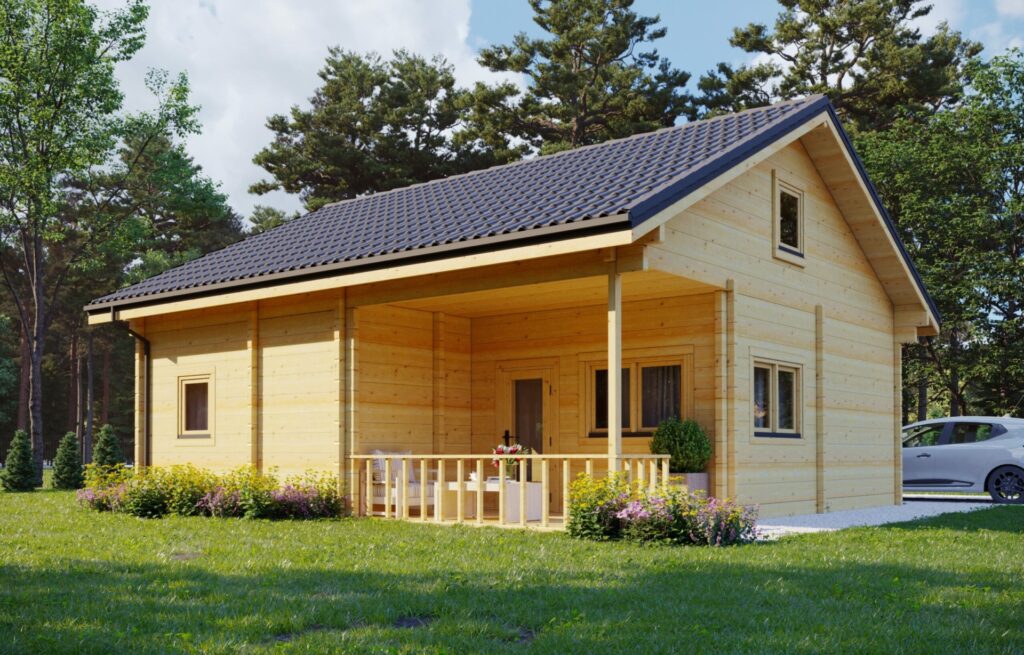
The range holds 40 glulam log houses, single and two storey, and each can be made in any of the five glulam wall profiles, 70 x 130, 88 x 260, 135 x 260, 180 x 260 and 220 x 260 mm; the profile is confirmed in the written quotation. Every glulam house kit is machined in Lithuania, and the glulam is supplied only inside the building kit. Dimensions are external.
Start with the intended site, use, approximate dimensions, layout and architectural intent. The written quotation confirms the selected catalogue or bespoke route, documentation and commercial scope. Larger residential homes in this range are quoted directly by Eurodita, with each project assessed on its own brief; Eurodita dealers also resell models from the range under their own name.
Planning, foundations, services, installation and performance requirements remain project-specific.
Request a quote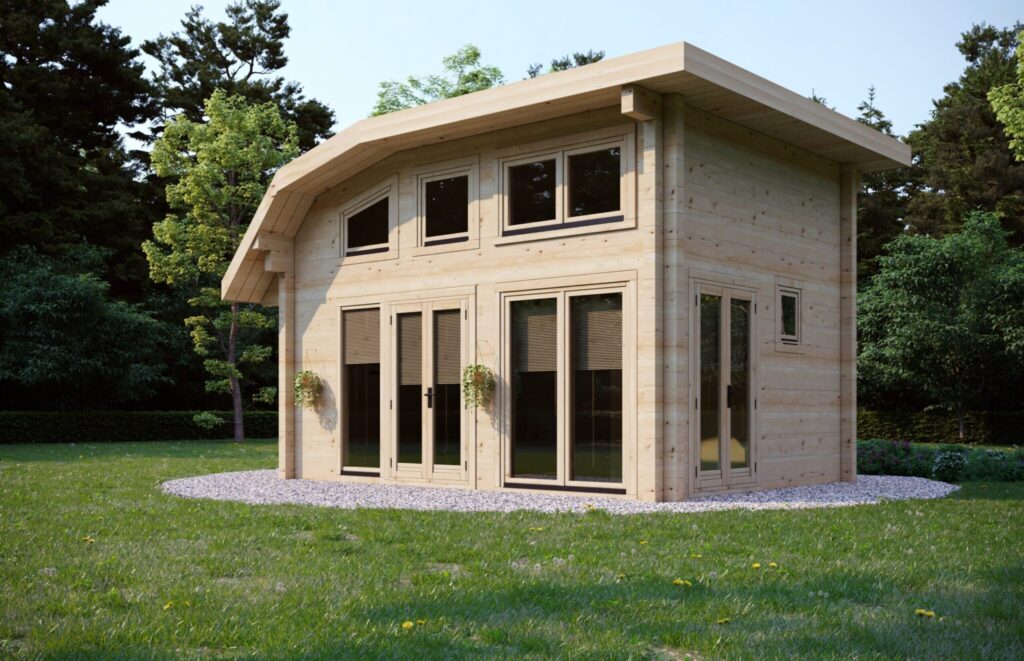
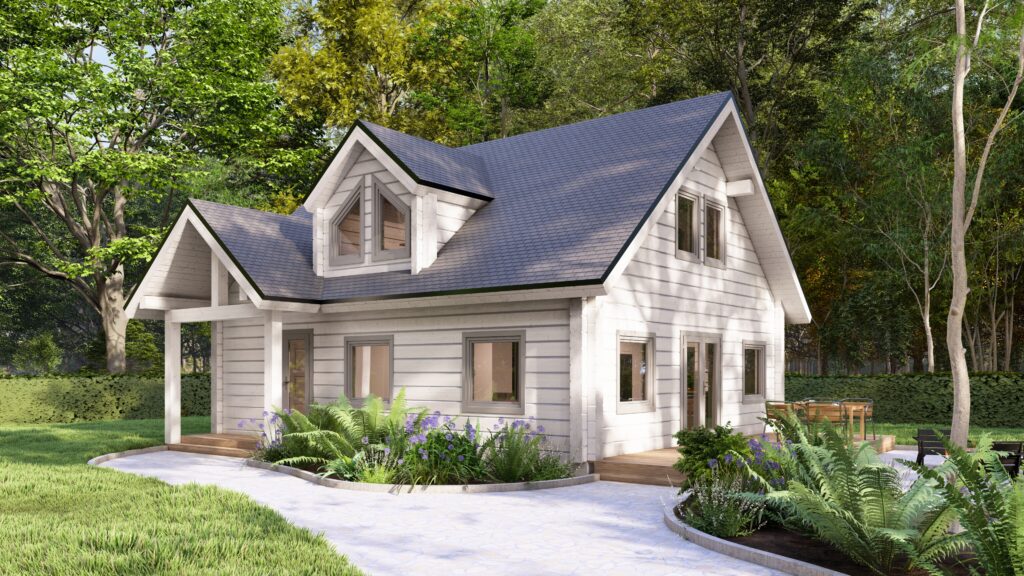

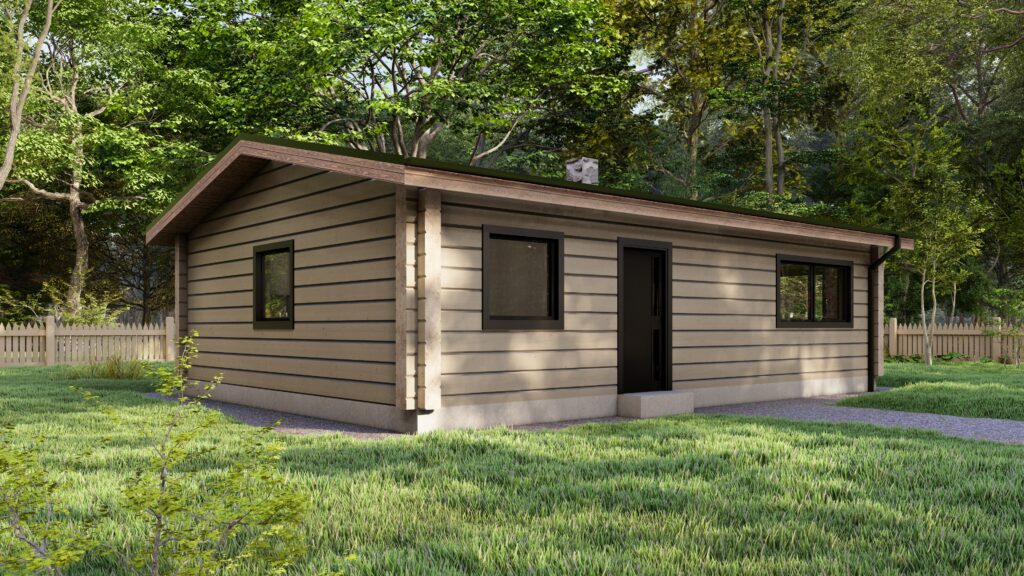
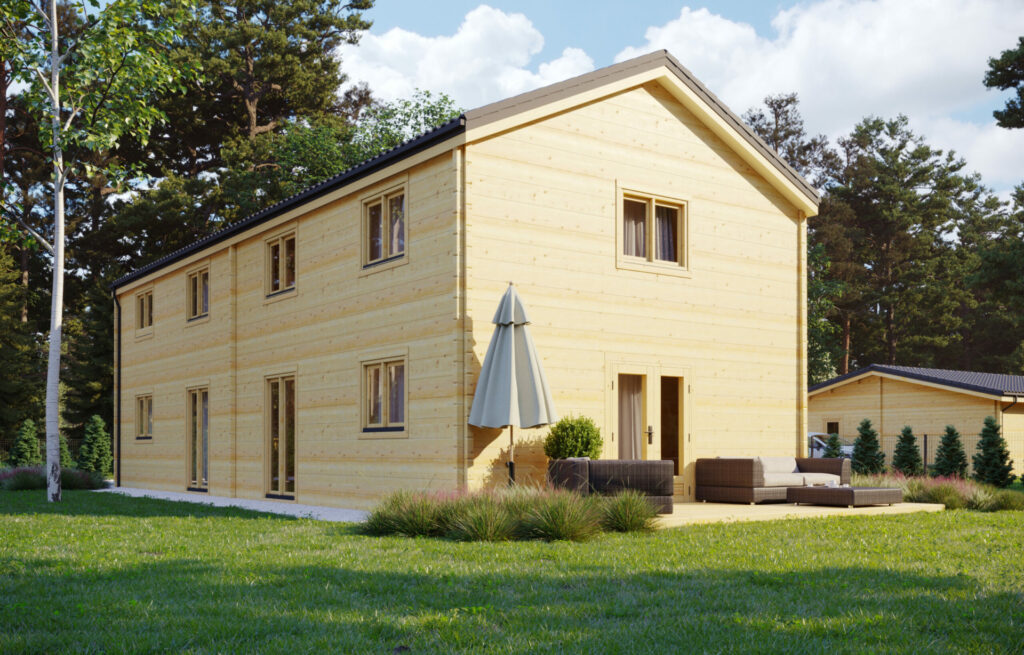

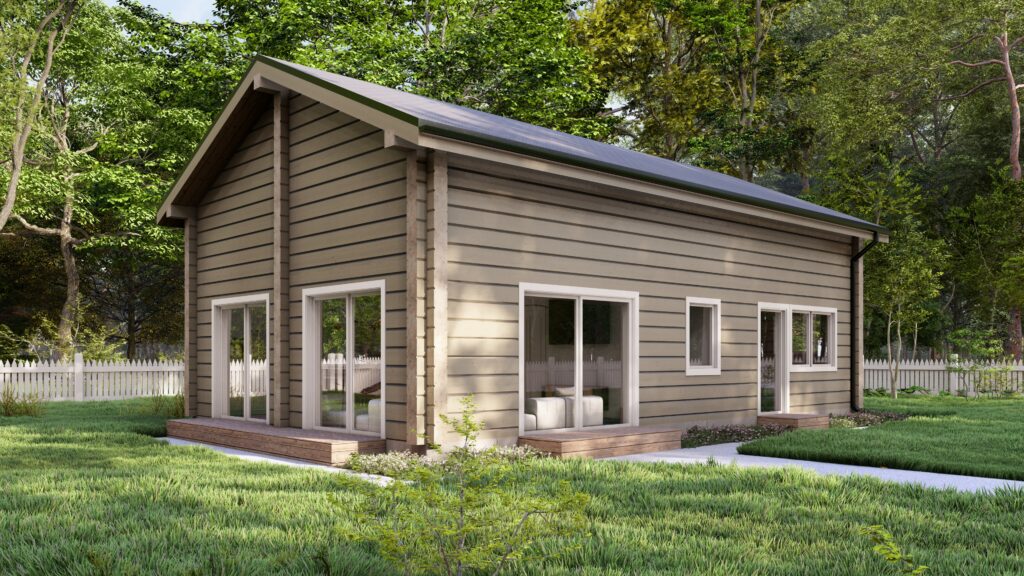


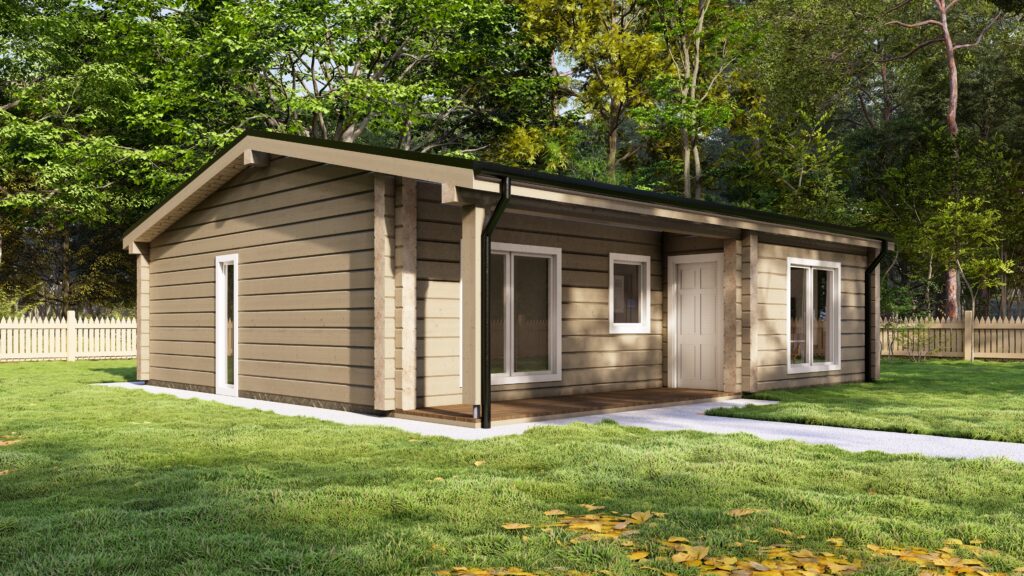
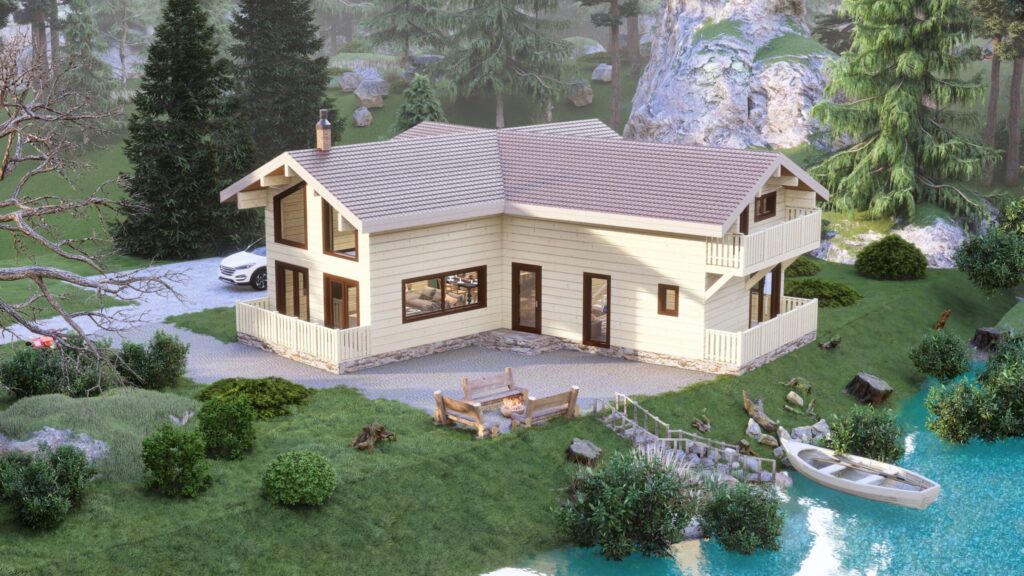
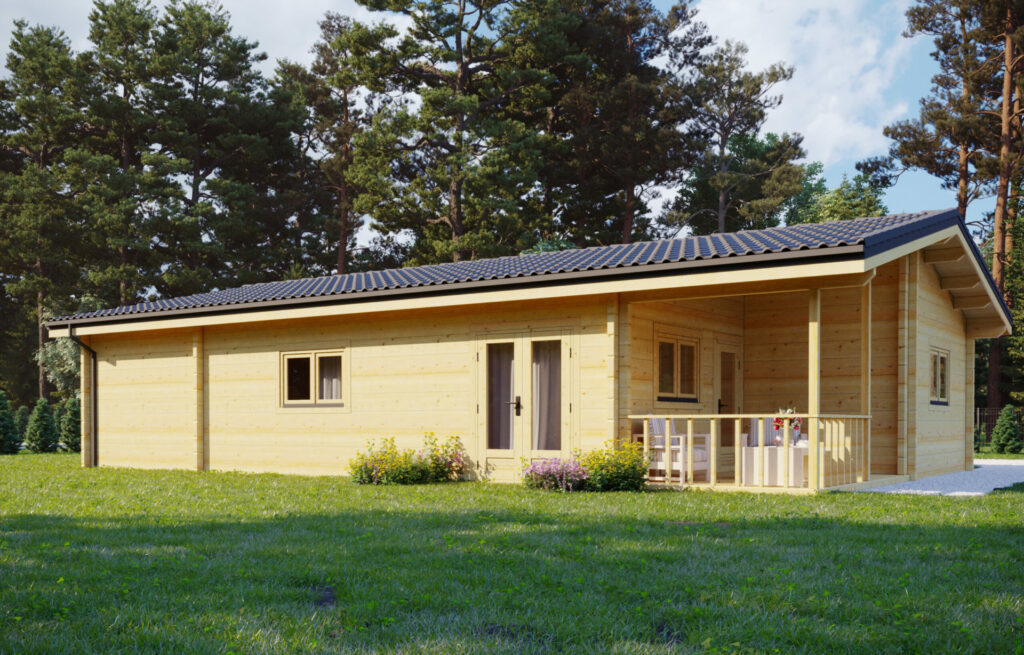
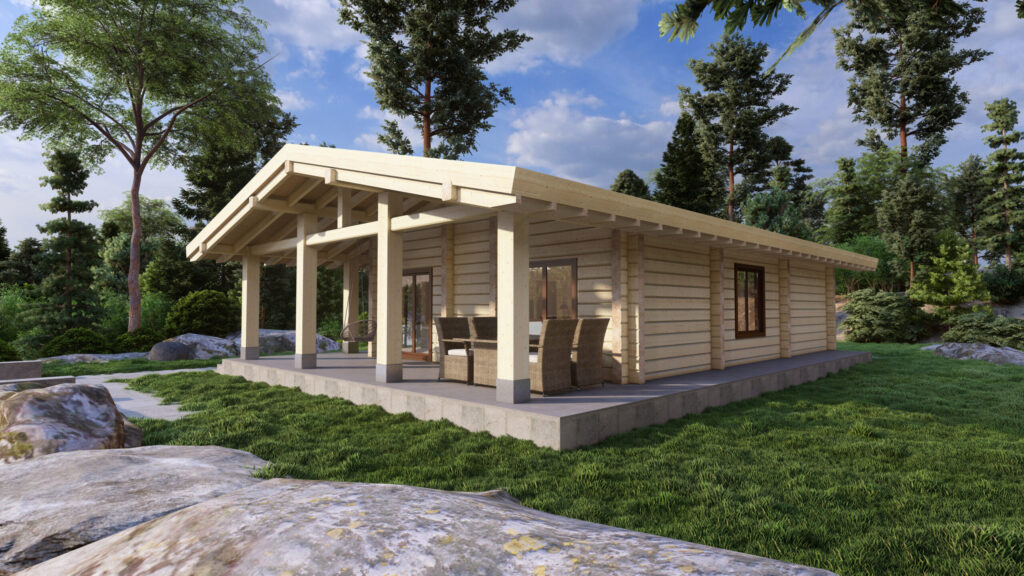
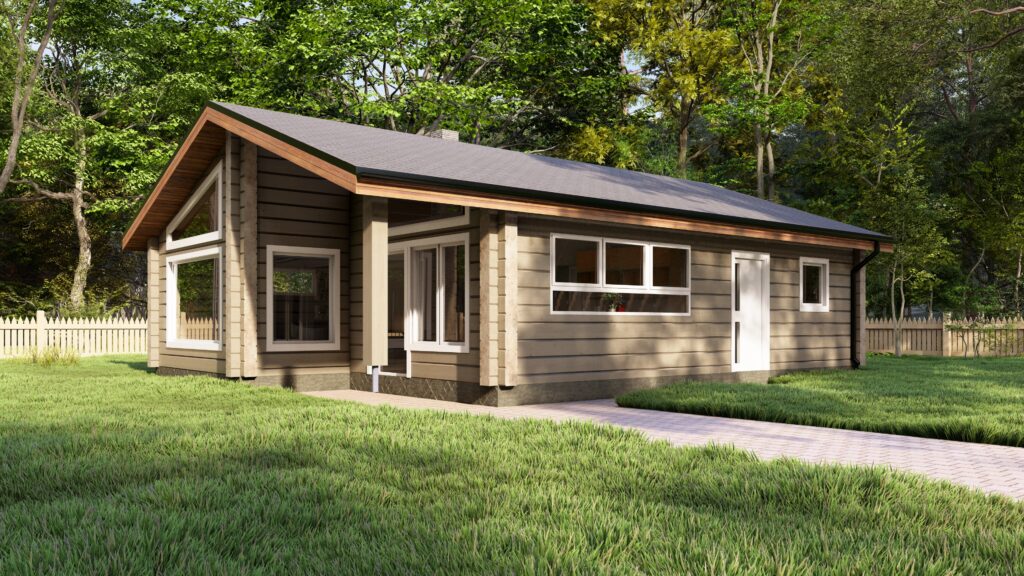


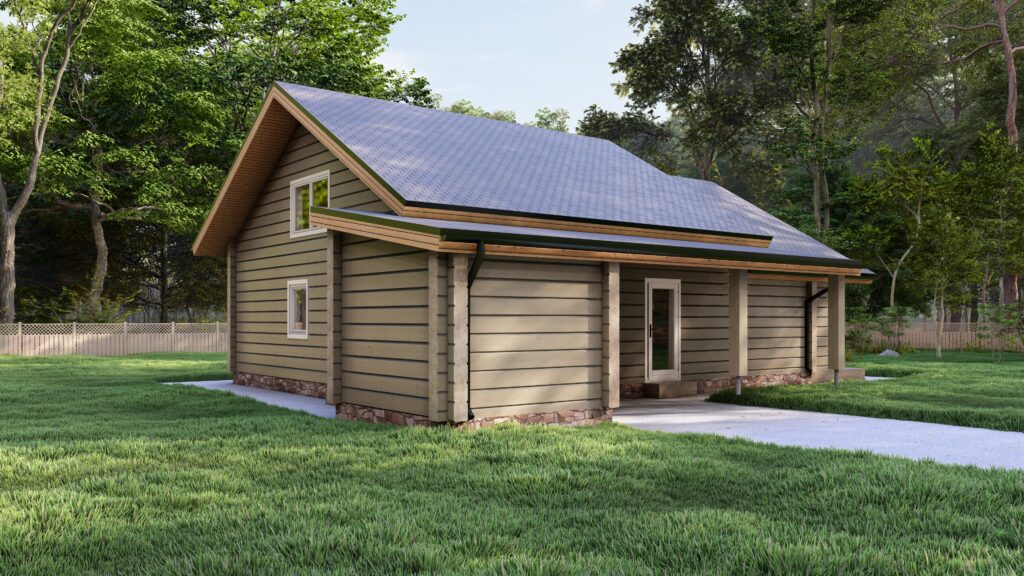
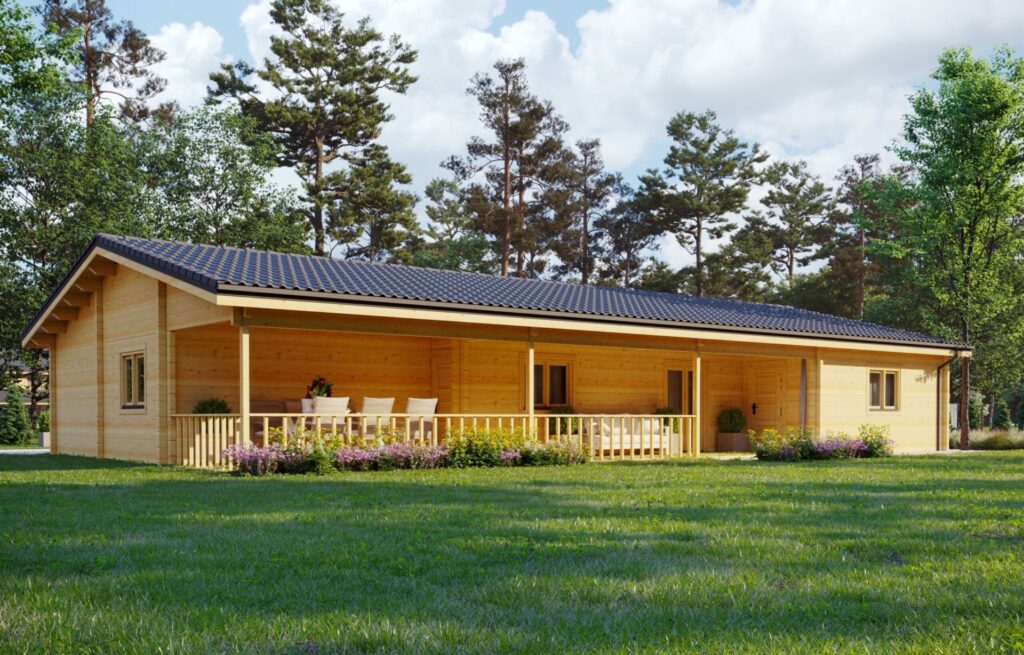
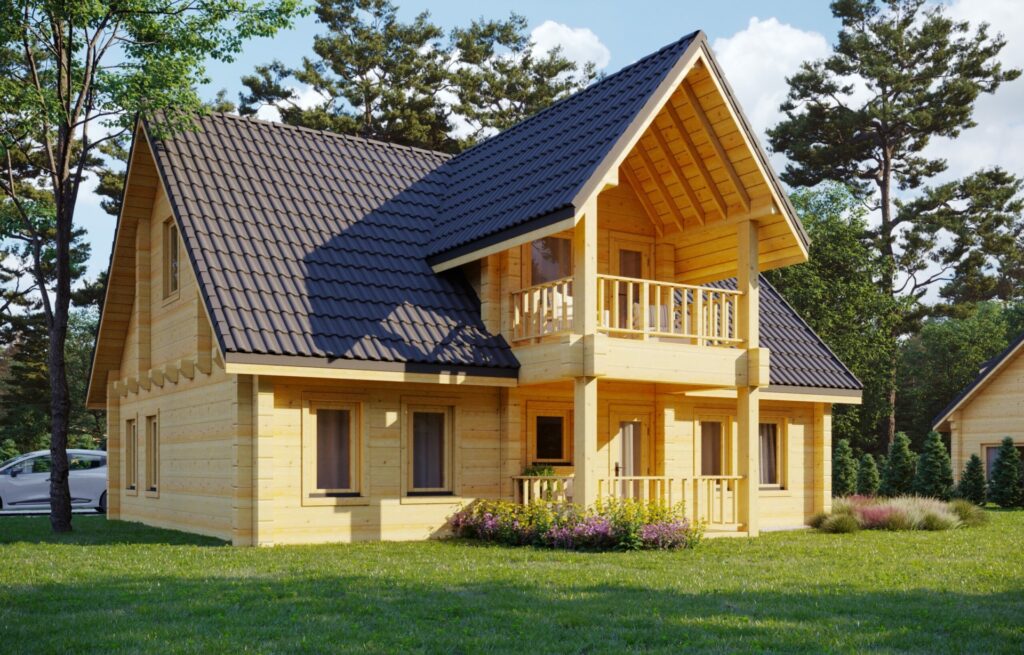

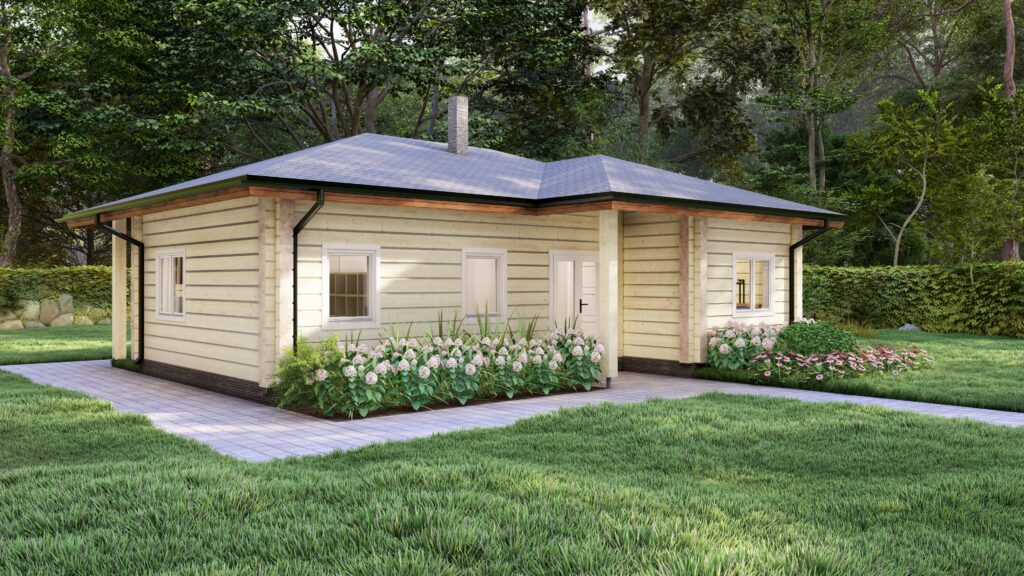
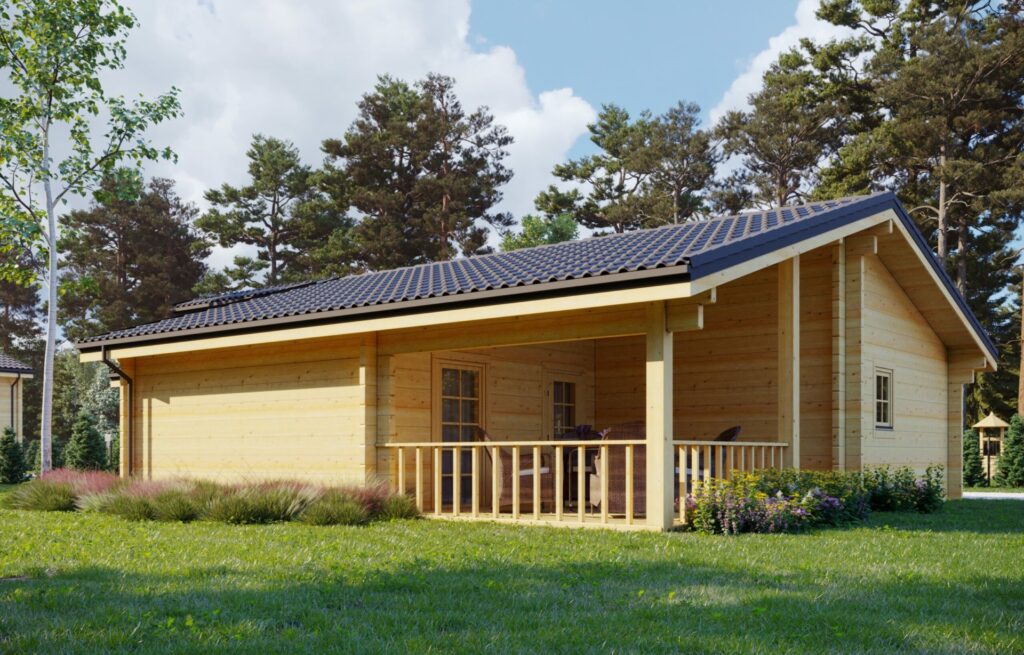

All 40 models in this range, by name
- Glulam Log House Begue 7.8x12.6m, 88mm
- Glulam Log House Berlin 12.5x12.35m
- Glulam Log House Challenger 5.89x4.54m, 135mm
- Glulam Log House Dublin 8x10m
- Glulam Log House Everbark
- Glulam Log House Finland 220mm, 23.6x8.4m
- Glulam Log House Fjord 80 10.2x9.5m, 220mm
- Glulam Log House Forestique
- Glulam Log House Halden 10.7x7.6m, 220mm
- Glulam Log House Linnea 11.5x9.8m, 220mm
- Glulam Log House Logique
- Glulam Log House London 13x8.8m
- Glulam Log House Lucien 9.1x11.7m, 88mm
- Glulam Log House Lumberlux
- Glulam Log House Lumio 102 11.7x8.7m, 220mm
- Glulam Log House Monaco 14x10.5m, 220mm
- Glulam Log House Naturhaus
- Glulam Log House Norvik 15.7x12.2m, 220mm
- Glulam Log House Oslo 8.5x10.5m
- Glulam Log House Paris 8x7.8m
- Glulam Log House Riga 12x10m
- Glulam Log House Rome 10x11m
- Glulam Log House Silvawood
- Glulam Log House Skara 14.7x9.2m, 220mm
- Glulam Log House Sylvie 11.3x11.3m, 88mm
- Glulam Log House Tromso 17.95x16.45m, 220mm
- Glulam Log House Uvdal 12.6x12.3m, 220mm
- Glulam Log House Vasa 270 19x14.2m, 220mm
- Glulam Log House Vienna 11.97x12m
- Glulam Log House Woodglow
- Log House Mathilde 13.7x8.2m, 88mm
- Two Storey Glulam Log House Arvika 12x7.5m, 220mm
- Two Storey Glulam Log House Aurora 9.7x8.2m, 220mm
- Two Storey Glulam Log House David 6x14.2m, 88mm
- Two Storey Glulam Log House Glulife
- Two Storey Glulam Log House Gluluxe
- Two Storey Glulam Log House Greenhaven
- Two Storey Glulam Log House Saimaa 11.5x9m, 220mm
- Two Storey Glulam Log House Timberly, 180mm
- Two Storey Glulam Log House Verdantix
Not in the range? Build it bespoke.
Qualified bespoke production is available for selected Wooden Houses projects. Send your drawing and Eurodita will confirm fit, scope and specification.
- 1 Send a drawing A hand sketch can start the review. Mark known window and door positions, wall thickness and heights; Eurodita confirms any missing technical inputs.
- 2 Confirm the quotation scope If the enquiry fits, the price, drawings and 3D view are prepared to the agreed scope.
- 3 Review the agreed scope Revisions follow the quotation and project scope until written sign-off.
From a complete sketch to a 3D view, drawings and a price within one working day. Partner branding is applied where agreed; required manufacturer, legal and traceability information is retained.
Send a bespoke briefBespoke production timing is confirmed at quotation stage. Dealers can review private-label manufacturing and published projects.