Wooden Summer Houses
Wooden summer houses built as log cabins: garden summer house kits from 3 x 2 m to 6 x 3 m, machined in Lithuania and supplied flat packed.
Wooden summer houses for the garden, small to large
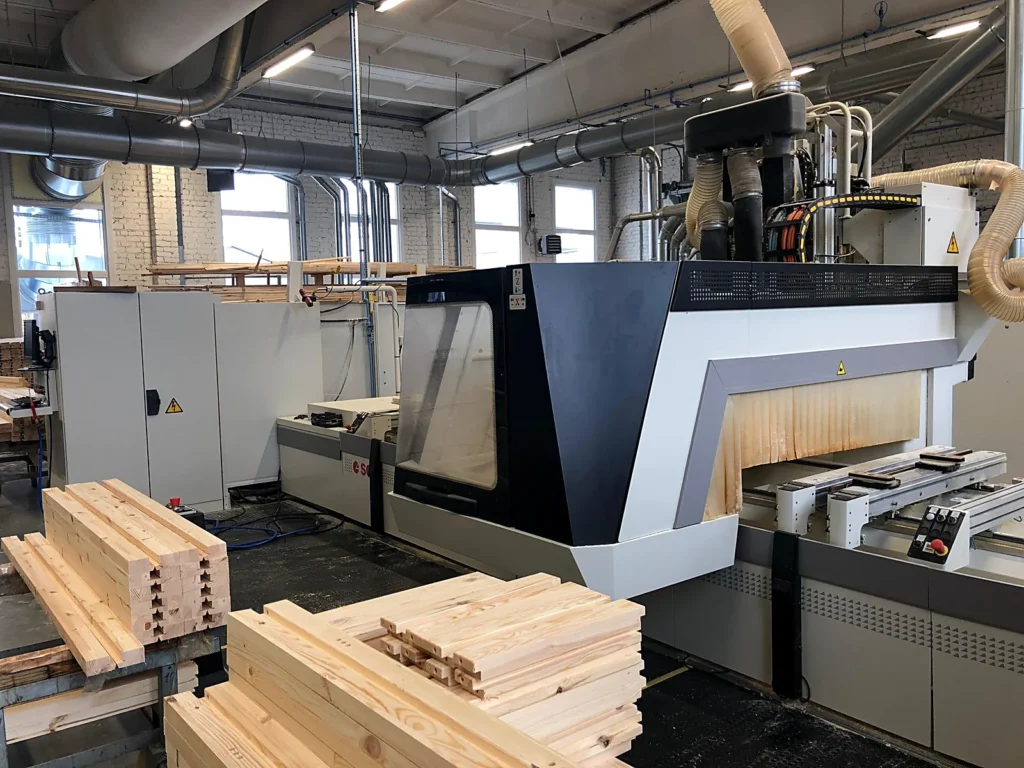
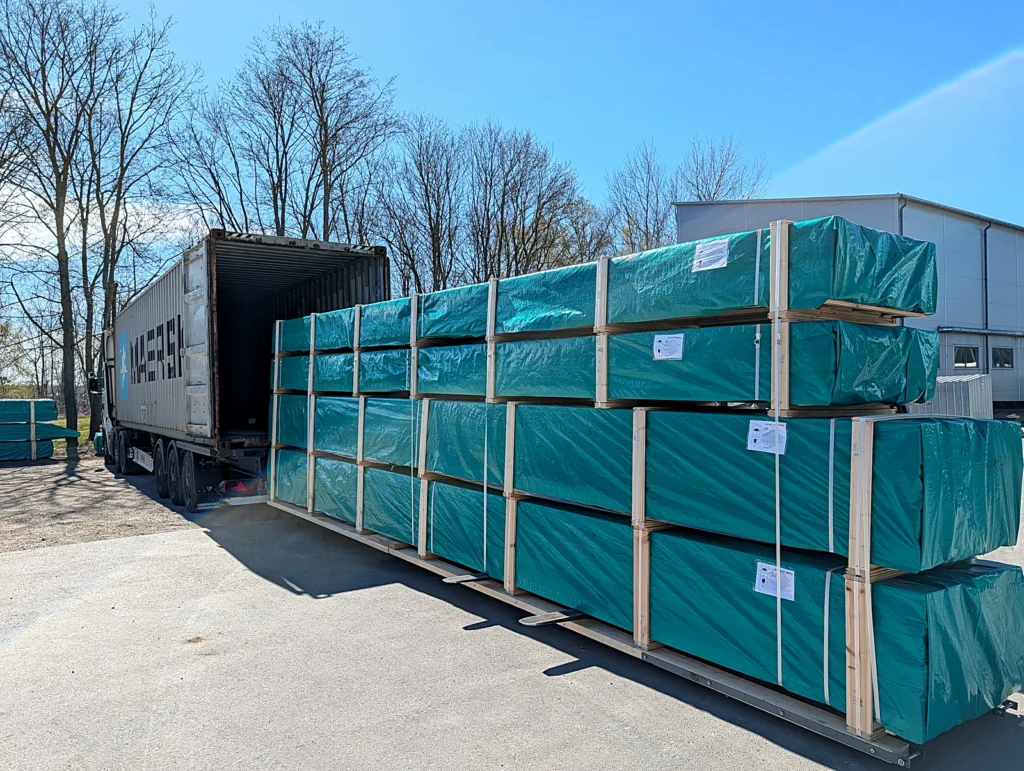
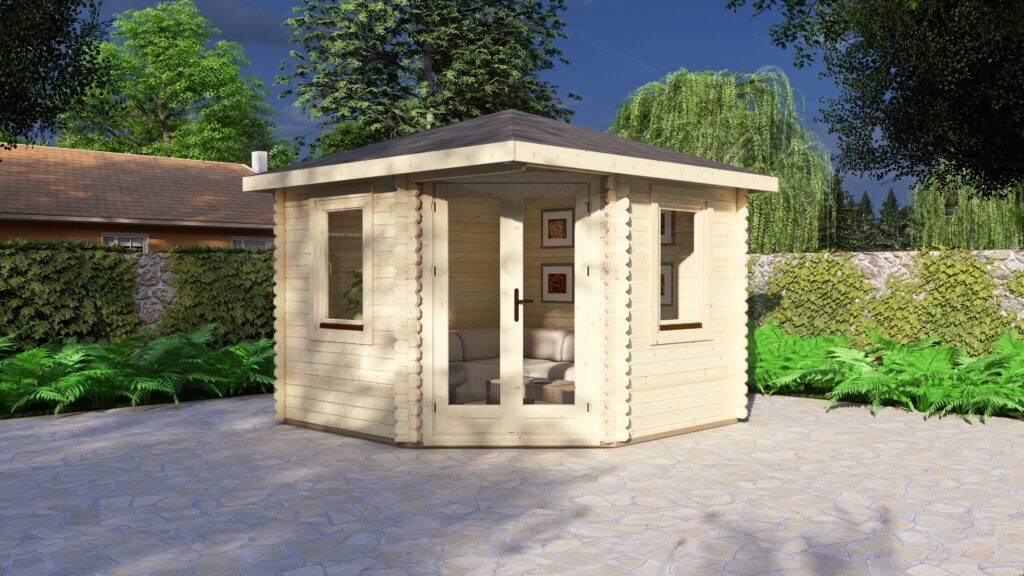
A Eurodita summer house is a garden log cabin kit. The range holds 35 wooden summer houses, from a small summer house of 3 x 2 m to large summer houses of 6 x 3 m, catalogued in 28, 34 and 44 mm wall logs. Every garden summer house is machined in Lithuania and supplied flat packed; a model can also be made in 58 or 70 mm wall logs. Dimensions are external; in feet the summer houses run from about 10 x 6.5 ft to 20 x 10 ft.
Start with the intended use, approximate dimensions, layout and site context. The written quotation confirms the selected model, specification, documentation and commercial scope. For private buyers the supply route is confirmed project by project; garden building retailers can sell the finished building under their own name.
Site preparation, foundations, installation and local requirements remain project-specific.
Request a quote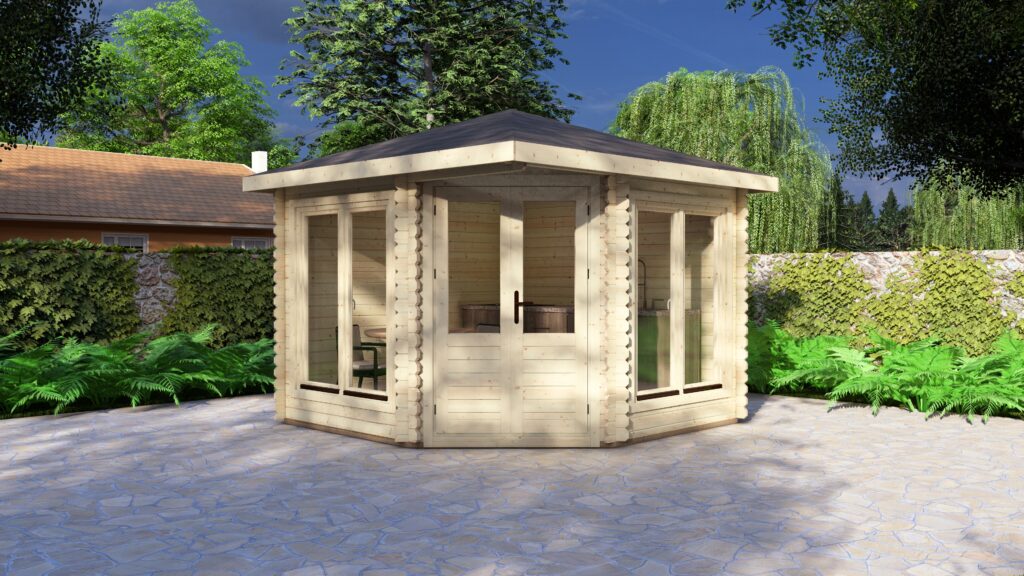
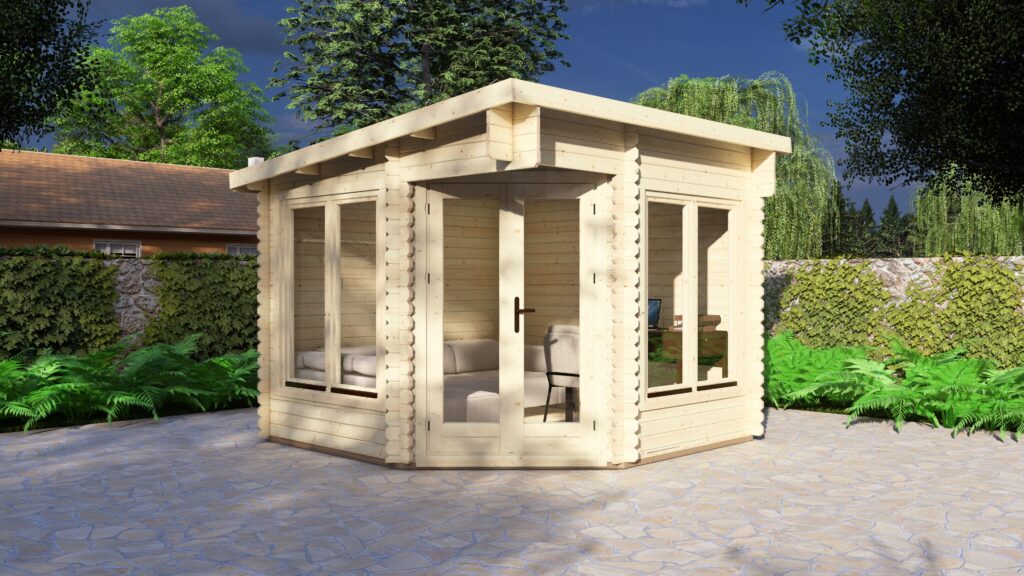
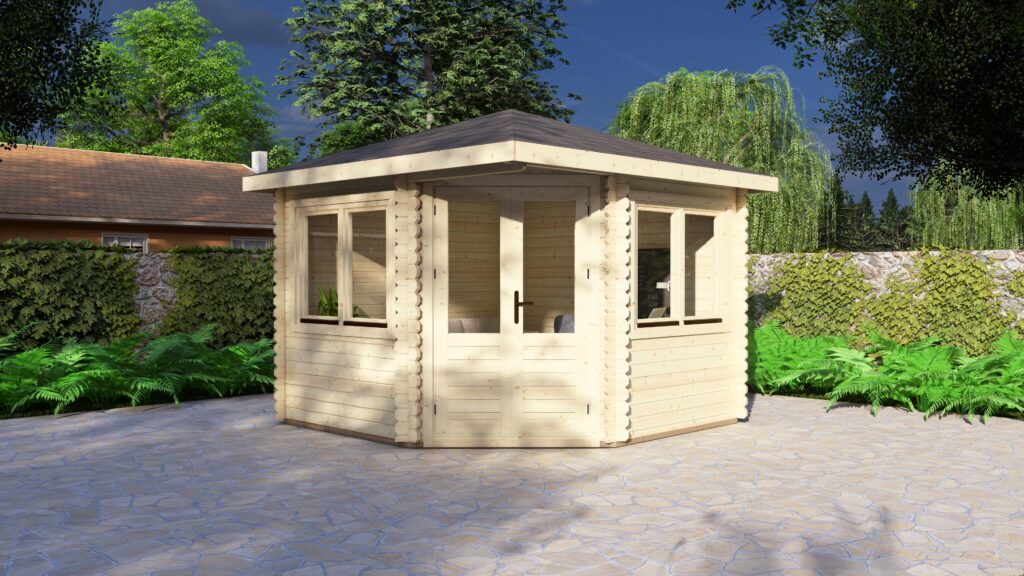
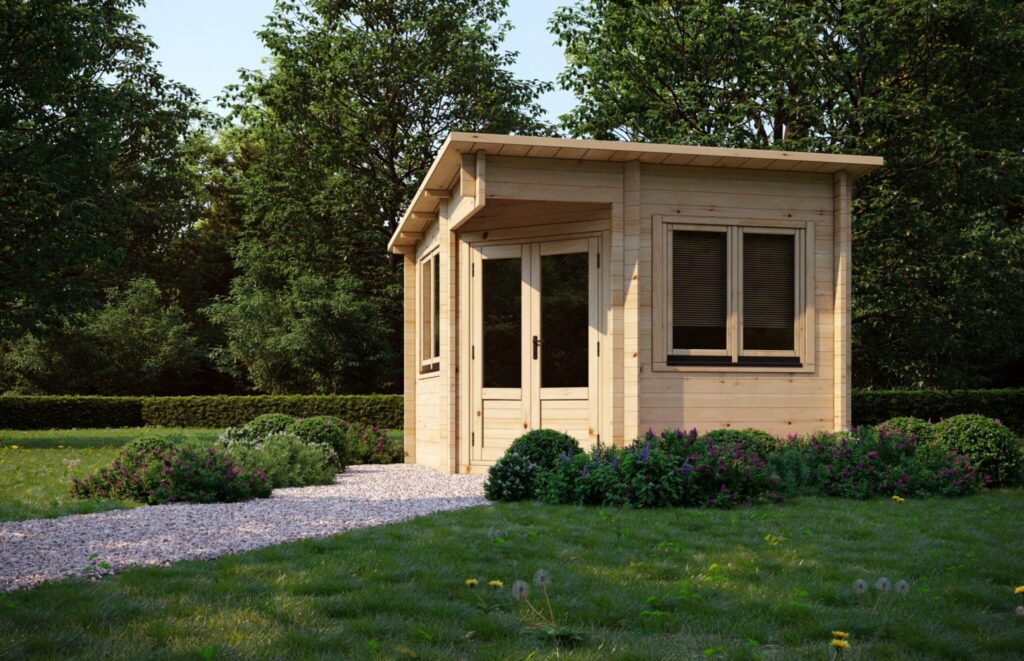


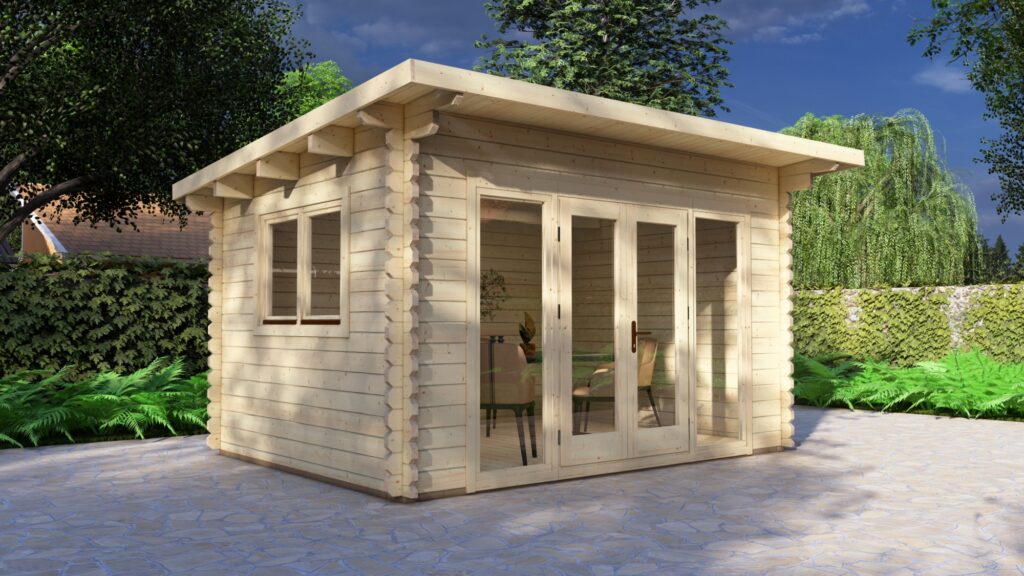
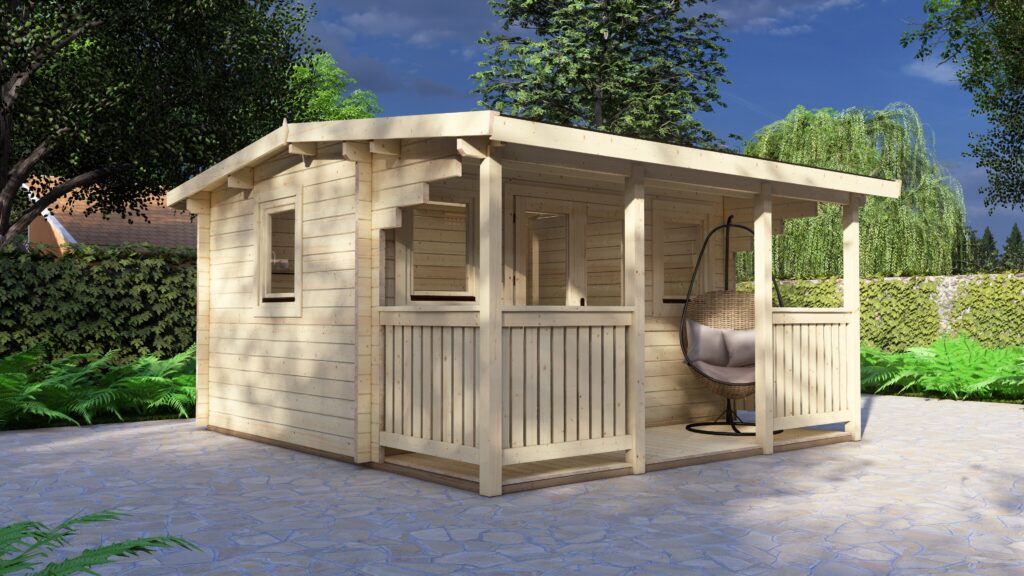
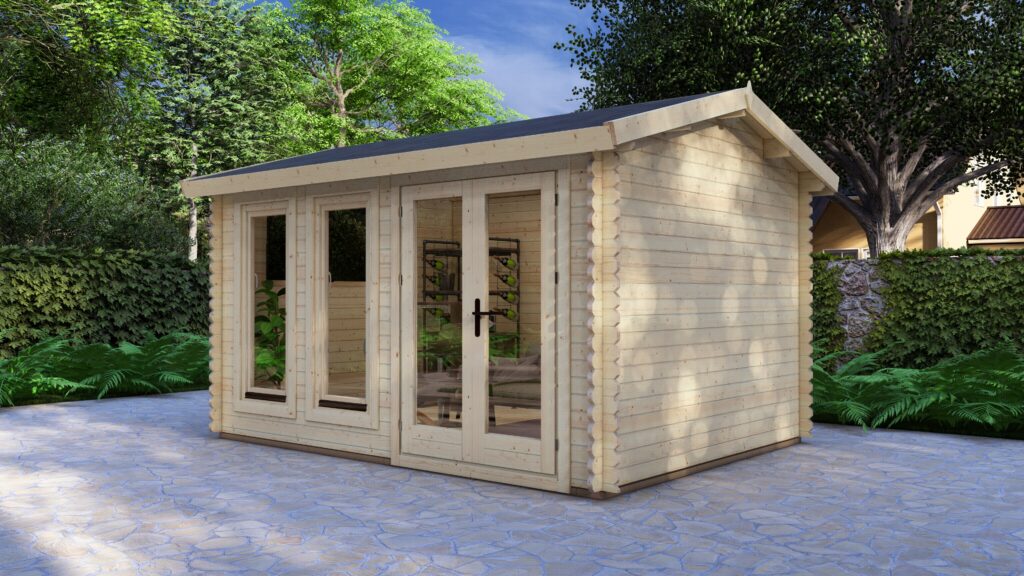
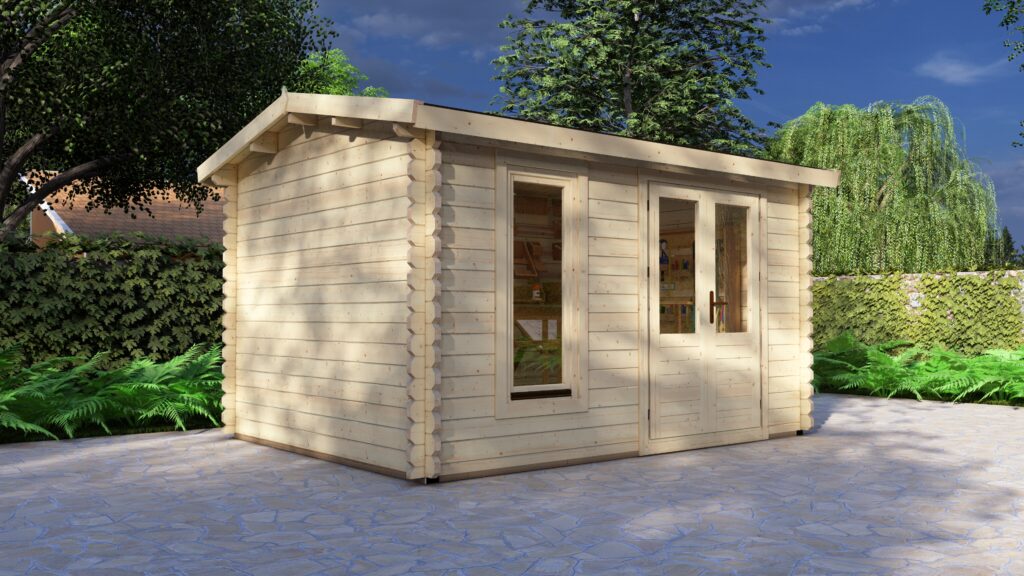

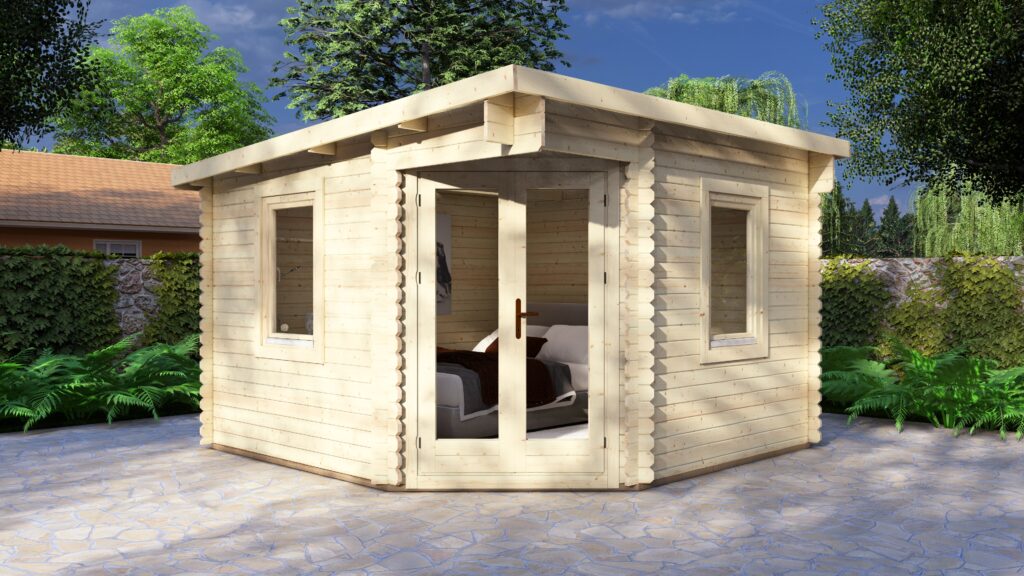
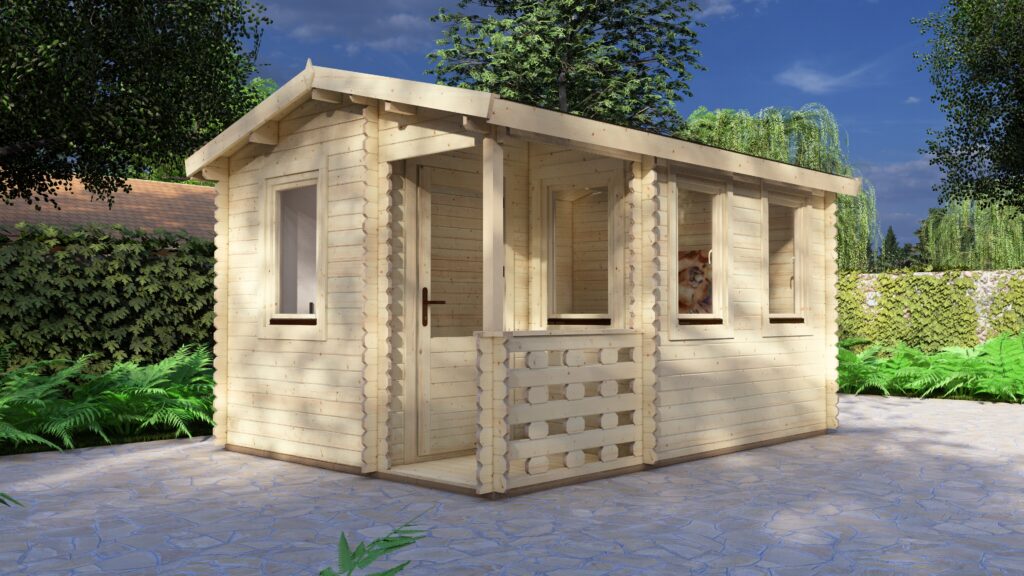
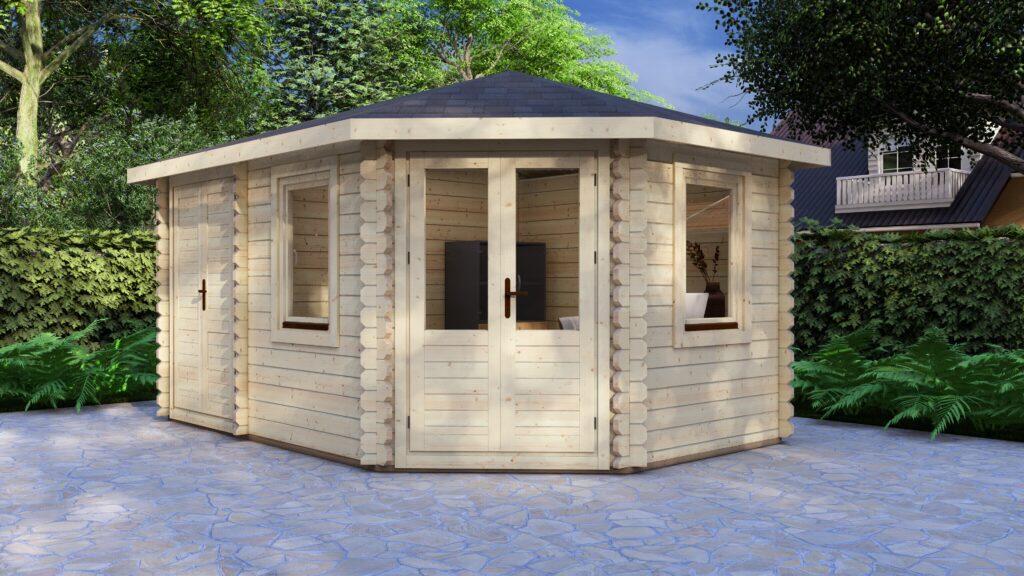


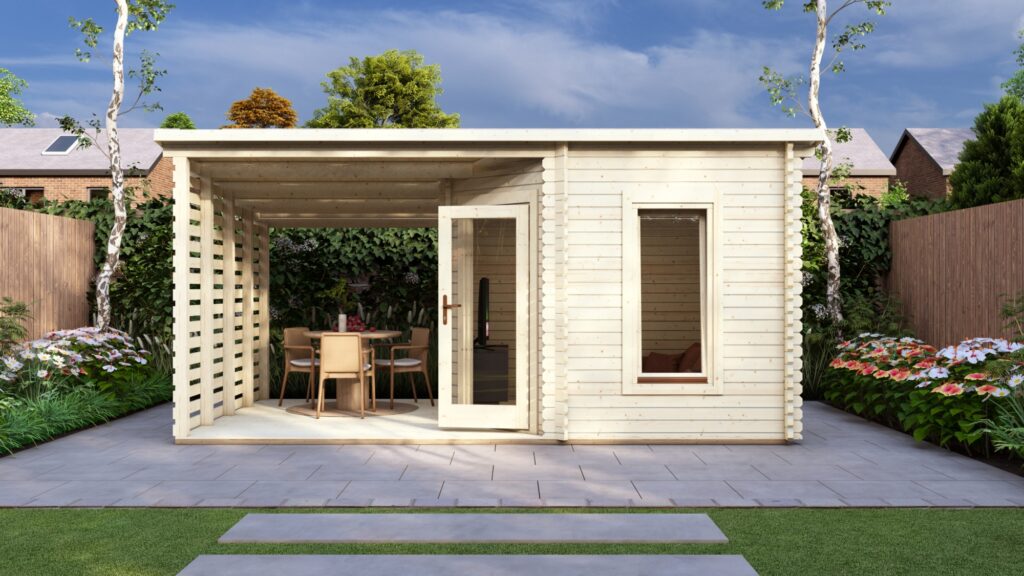
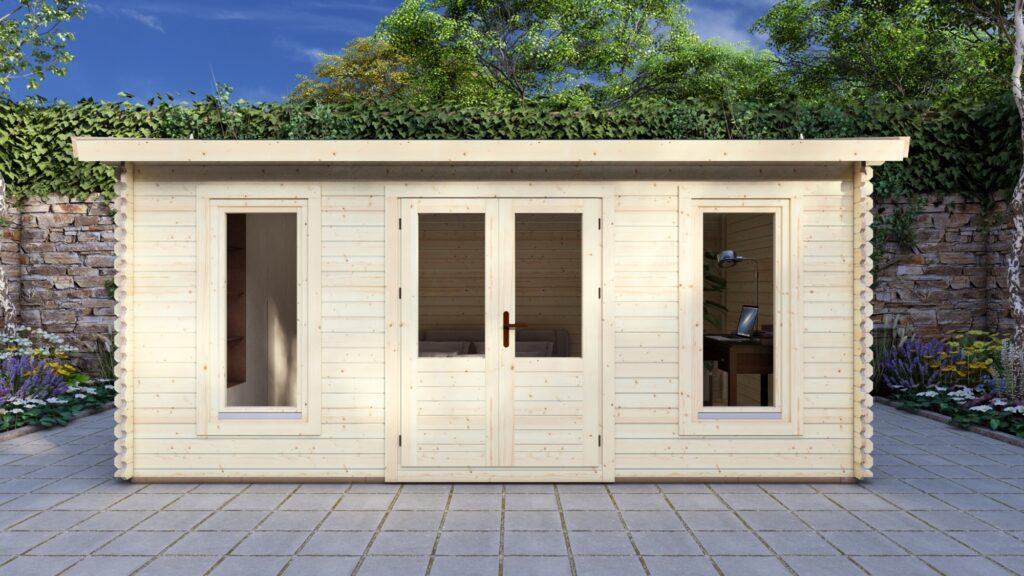

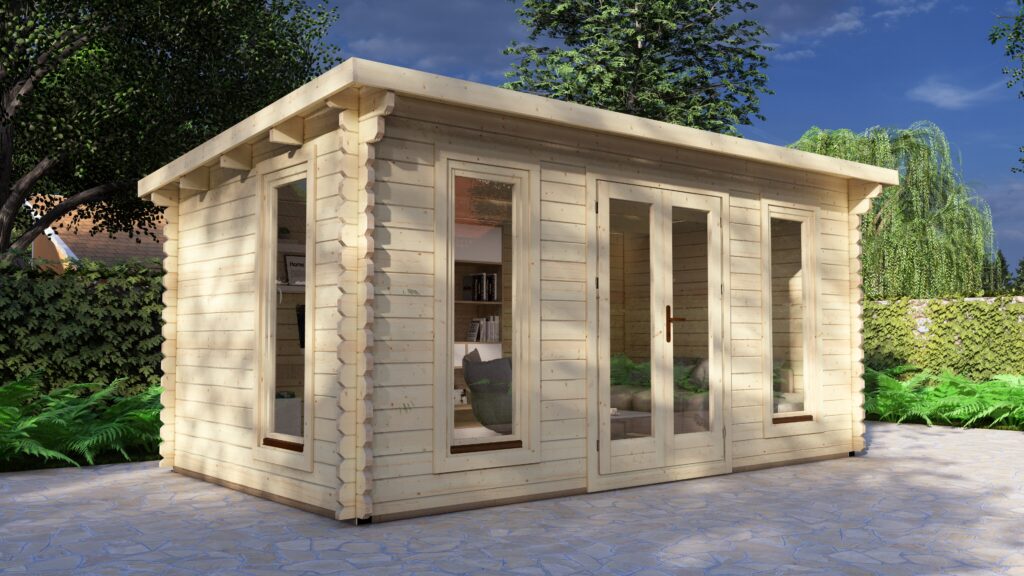
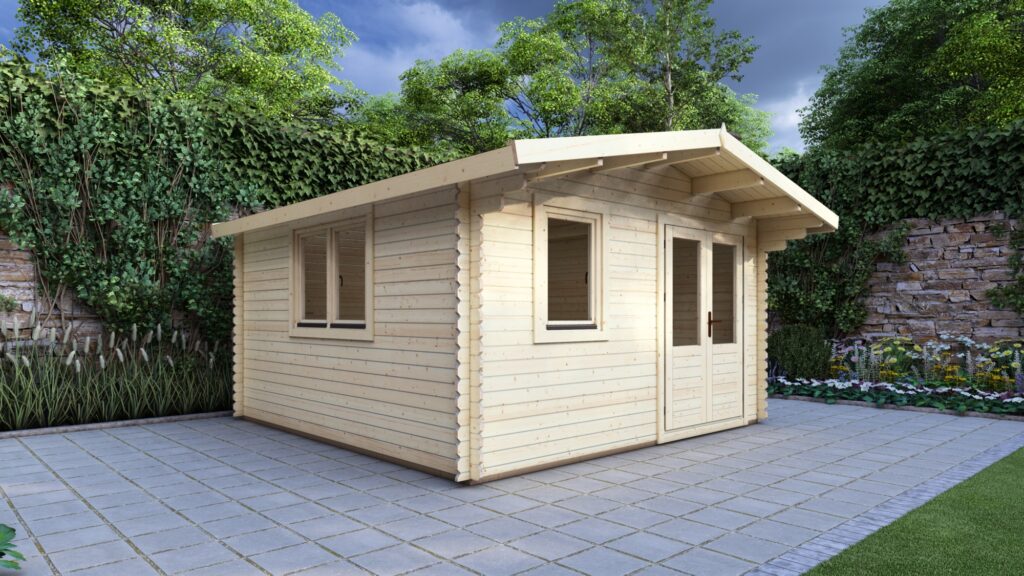

All 35 models in this range, by name
- Corner Log Cabin Alexander 3x3m
- Corner Log Cabin Benjamin 3x3m
- Corner Log Cabin Daniel 4.4x3m, 44mm
- Corner Log Cabin Ethan 3.5x3.5m, 28mm
- Corner Log Cabin Joseph 5x3.5m, 44mm
- Corner Log Cabin Luke 3x3m
- Corner Log Cabin Michael 3x3m
- Corner Log Cabin Toby 3x3m
- Corner Log Cabin With Veranda 3x5m, 44mm
- Log Cabin Abigail 5.0x3.0m, 28mm
- Log Cabin Adam 4x3m, 44mm
- Log Cabin Austin 6.0x3.0m, 44mm
- Log Cabin Aylesbury 3.8x2.6m, 28mm
- Log Cabin Bristol 4.7x3.5m, 44mm
- Log Cabin Brookhaven 4x3m, 44mm
- Log Cabin Charlie 5.7×3.1m, 44mm, Apex
- Log Cabin Dorchester 5x3m, 44mm
- Log Cabin Exmoor 3.5x2.5m, 28mm
- Log Cabin George 3.5x2.5m, 44mm
- Log Cabin Glastonbury 4.2x3.2m, 34mm
- Log Cabin Grendale 3.2x2.6m, 28mm
- Log Cabin Harry 3.0x4.5m, 44mm
- Log Cabin Jack 5.7×3.1m, 44mm, Pent
- Log Cabin Jamie 4.8x3.5m, 44mm
- Log Cabin Joshua 6x3m, 44mm
- Log Cabin Louis 5x3m, 44mm
- Log Cabin Nicholas 4x3m, 34mm
- Log Cabin Oliver 4.0x3.0m, 44mm
- Log Cabin Plymouth 4.7x3.5m, 44mm
- Log Cabin Ringwood 3x3m, 28mm
- Log Cabin Ringwood 4x4m, 28mm
- Log Cabin Ryan 3x2m, 28mm
- Log Cabin Samuel 4.2x3m, 28mm
- Log Cabin Sherborne 4.5×3.0m, 44mm
- Mini Weymouth Log Cabin 4x3m, 44mm
Not in the range? Build it bespoke.
Qualified bespoke production is available for selected Wooden Summer Houses projects. Send your drawing and Eurodita will confirm fit, scope and specification.
- 1 Send a drawing A hand sketch can start the review. Mark known window and door positions, wall thickness and heights; Eurodita confirms any missing technical inputs.
- 2 Confirm the quotation scope If the enquiry fits, the price, drawings and 3D view are prepared to the agreed scope.
- 3 Review the agreed scope Revisions follow the quotation and project scope until written sign-off.
From a complete sketch, the 3D view, drawings and price follow within one working day; other briefs are qualified first. Partner branding is applied where agreed; required manufacturer, legal and traceability information is retained.
Send a bespoke briefBespoke production timing is confirmed at quotation stage. Dealers can review private-label manufacturing and published projects.