
About Eurodita: the silent manufacturer behind your brand
Eurodita is a B2B private-label timber building manufacturer in Lithuania, manufacturing since 1994. Dealers, distributors, holiday parks, developers and property brands sell the buildings under their own name; Eurodita makes the kit, prepares the drawings and the documents, and releases the order from the factory.
This page explains who Eurodita manufactures for, what happens inside the factory, the figures behind the operation, how an order moves from brief to release, and where the proof sits.

At a glance
Who Eurodita manufactures for
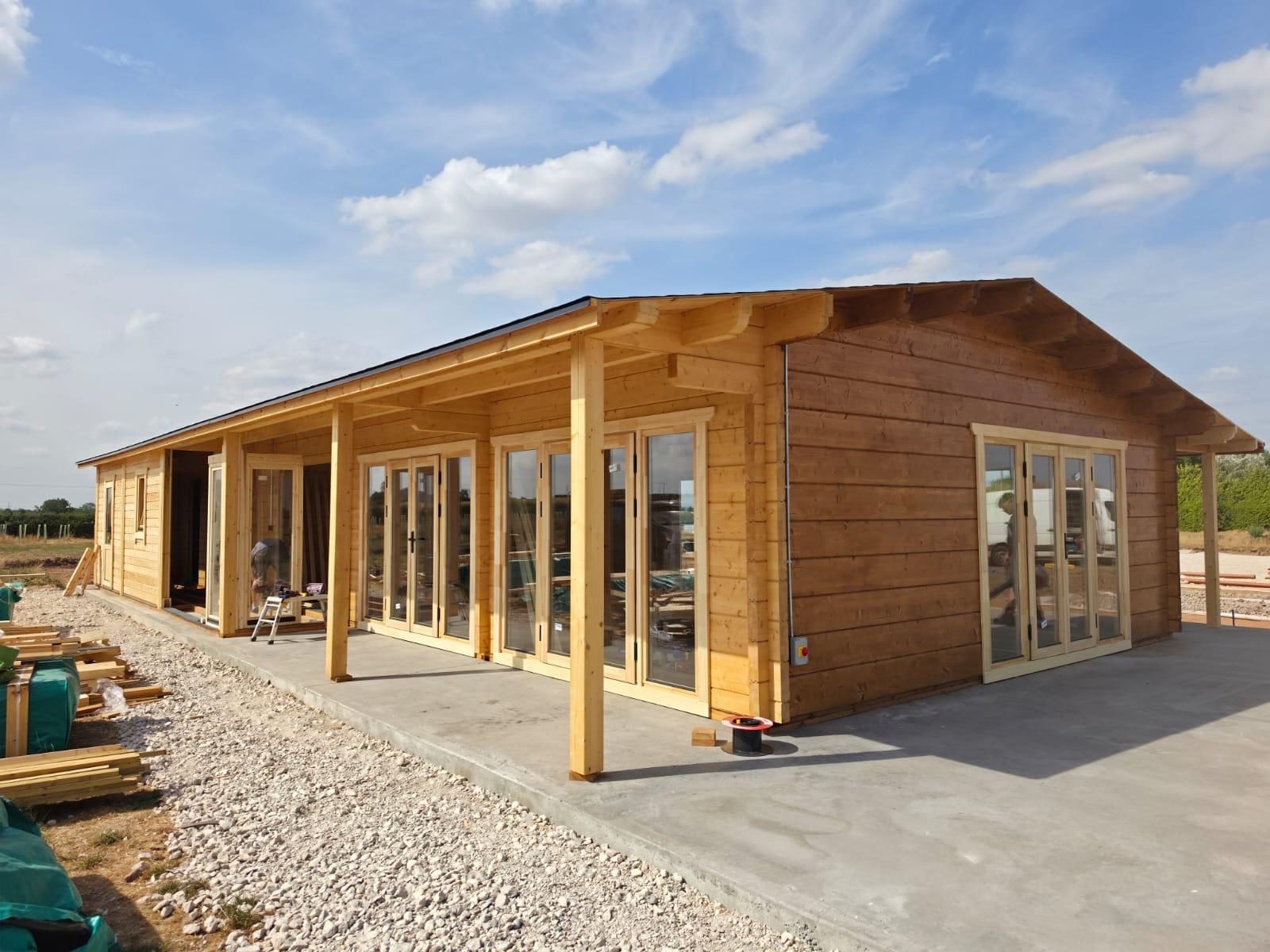
Eurodita manufactures private-label timber buildings for dealers, distributors, holiday parks and property brands that need a reliable production partner behind their own brand. Partners use Eurodita when they need a broader timber building range without building their own factory capacity. Standard catalogue items, bespoke customer projects and glulam work are handled through separate quotation and production planning routes, with technical data and documentation confirmed for each order.
Eurodita supports private-label supply with manufacturing, packing, drawings, 3D visuals and dealer-facing documents where agreed. The practical goal is straightforward: help partners present clear offers to their clients while Eurodita stays focused on production, specification control and factory support. For the garden-building range, the supply route is confirmed project by project; larger residential homes, such as glulam houses and annexes, can also be supplied to private buyers, and those enquiries are assessed individually.
Catalogue ranges under the dealer's own name, a single pilot unit accepted as a first order, no single fixed minimum order. Dealer supply
Quotations, drawings, assembly guides, delivery notes and packaging labels carry the partner's brand where agreed. Private label
Bespoke and glulam projects quoted from drawings, with 3D visuals and a technical specification. Bespoke projects
Inside the Eurodita factory
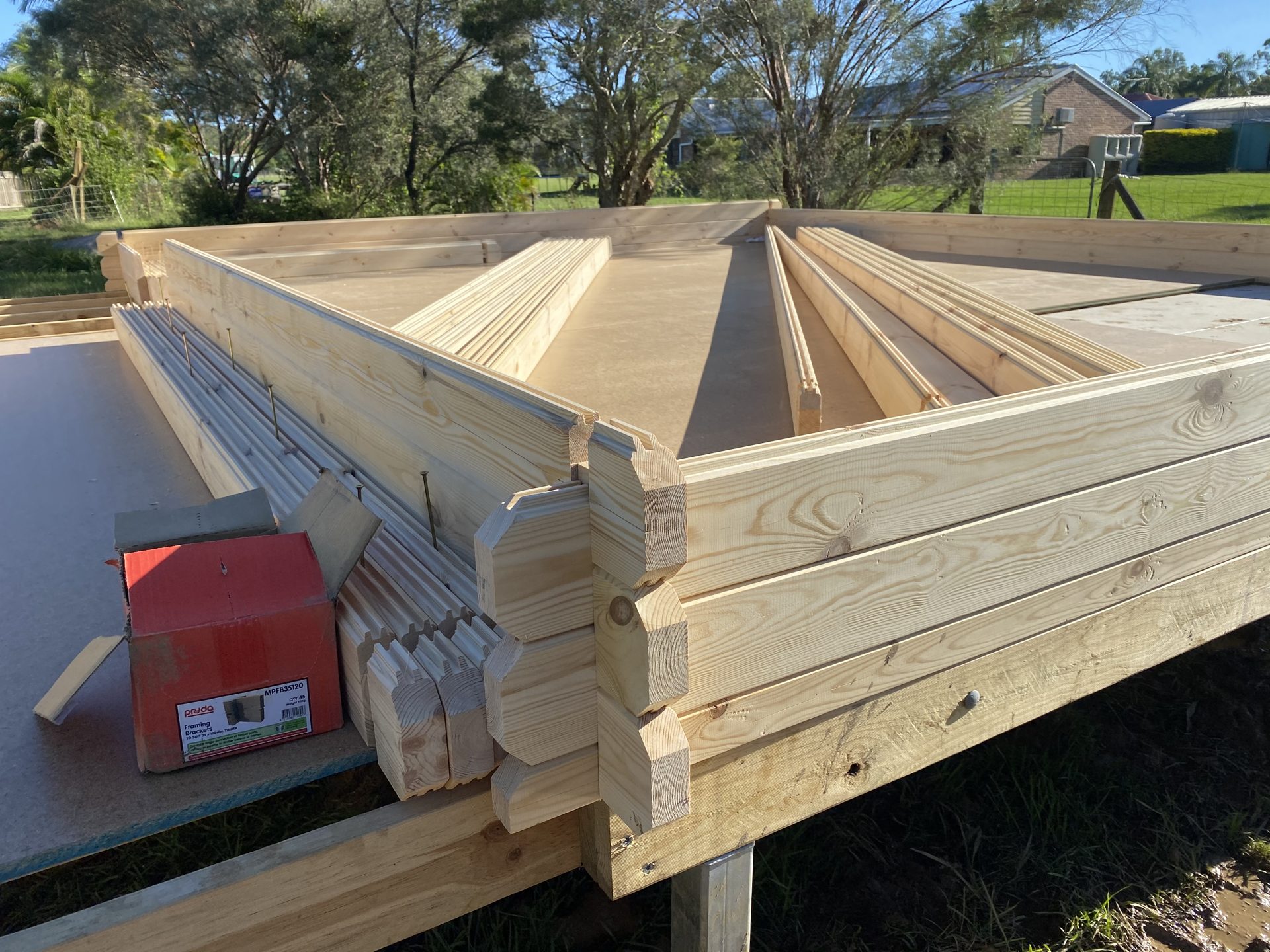
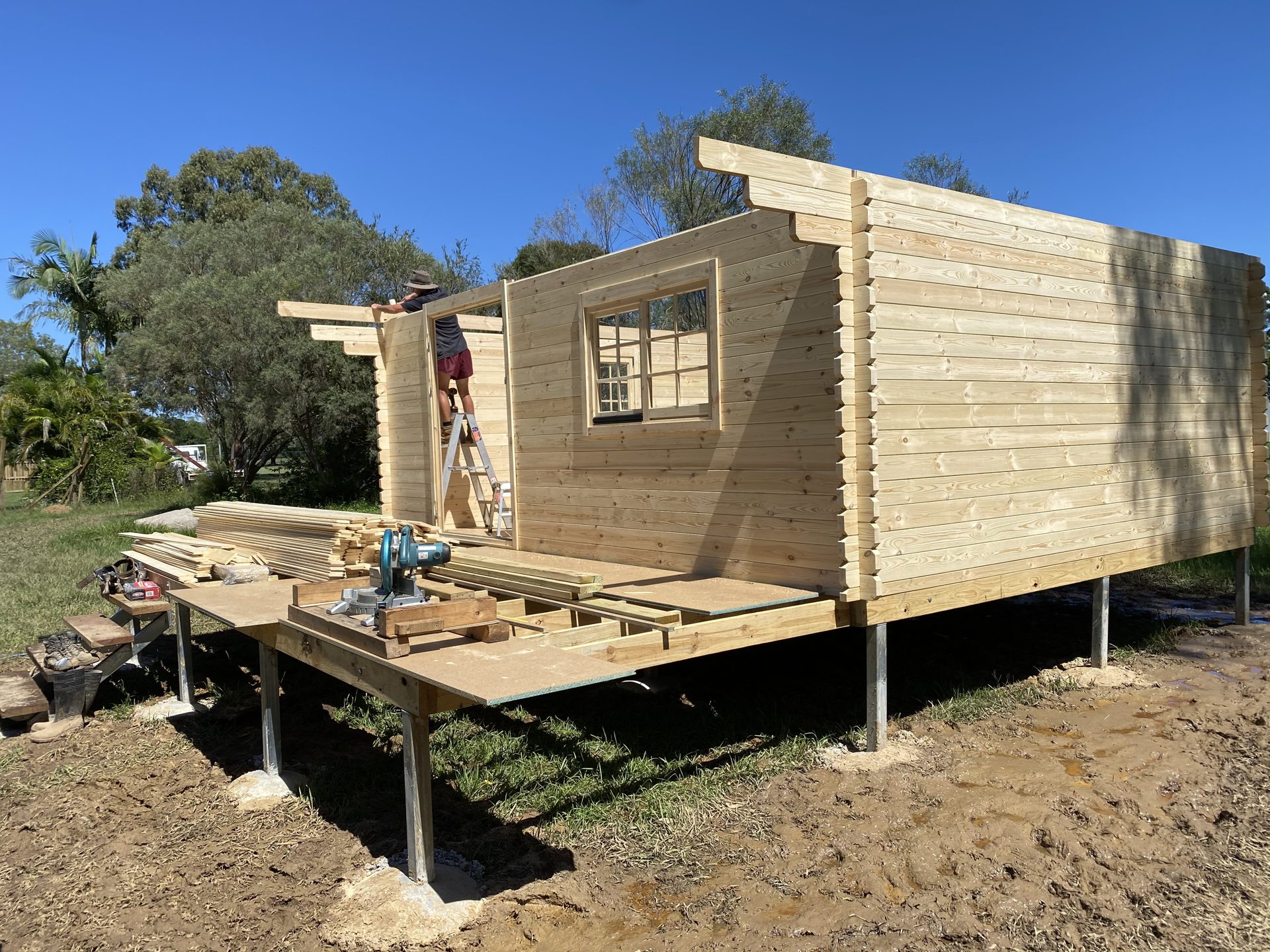
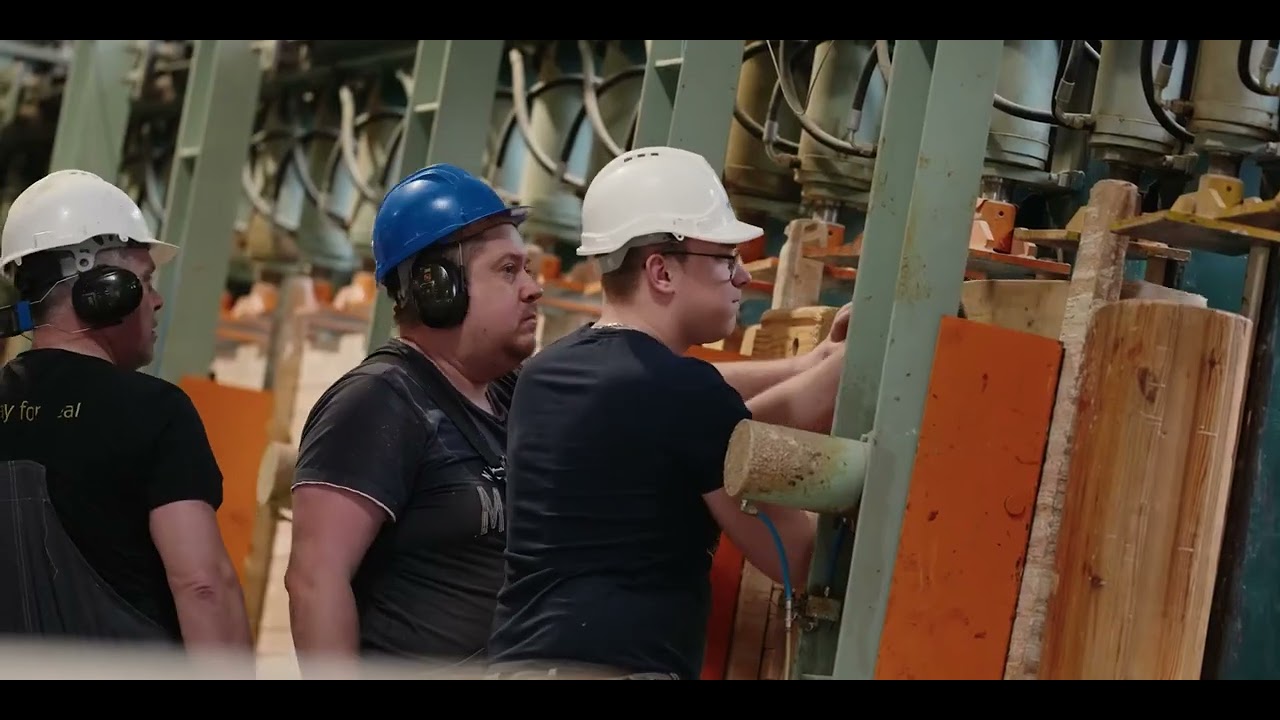
Wall logs and glulam elements are machined on Hundegger CNC lines to the drawings of each order, kiln-dried in-house, fitted with Eurodita timber windows and doors, and packed flat with the assembly drawings. Every order is manufactured in Lithuania and released from the factory to the carrier the buyer or Eurodita appoints.
Machining, drying and joinery
Three operations sit behind every kit that leaves the Eurodita factory in Lithuania, and each is carried out in-house.
- Hundegger CNC machining. Wall logs, joints, corners and openings are cut on Hundegger CNC lines from the drawings of each order, for catalogue models and bespoke designs alike. No machine model or count is published; the tolerances that apply to a product are confirmed with the order.
- Kiln drying. Wall timber is dried in Nardi kilns, run on electricity, to a working moisture target before machining. The target describes the timber as it leaves the kiln; it is not a performance claim for the finished building.
- Timber joinery. Eurodita manufactures its own windows and doors in the IV45, IV68 and triple-glazed IV92 system families, and its own timber sliding and bifold doors. Aluminium sliding systems are bought in from a specialist supplier. The figures 45, 68 and 92 name joinery systems, never wall thicknesses; see wall profiles.
Quality control is an operational routine rather than a certificate: incoming timber, moisture, dimensional and CNC accuracy, joints, joinery, completeness and packing are checked, and every kit passes a final pre-dispatch inspection. Eurodita holds no ISO 9001 certificate and makes no blanket CE or UKCA claim; the documentation for a specific order is confirmed at quotation. What the kit itself contains is on what is in a Eurodita kit.
Eurodita in numbers
Averages of the operation, not promises for a specific order. Quantity, route and timing are confirmed in the written quotation.
One factory site, no stock abroad, visits by arrangement
Eurodita manufactures at one main production site in Lithuania, with several workshops and production halls on that site: one factory, not a network of plants. There are no warehouses, offices or factories outside Lithuania and no stock held in any export market. Every order is manufactured against a confirmed purchase order and released from the factory, EXW Eurodita factory by default, to the carrier the buyer or Eurodita appoints. Eurodita runs no transport fleet; freight is quoted separately for each route and load through third-party forwarders, DAP is agreed per order and DDP is considered case by case. The terms are on the shipping and delivery policy.
Dealers in every EU market and Ukraine are welcome, and Eurodita supplies internationally subject to project fit, logistics, market requirements and commercial terms; the market pages say, for each country and in its language, what a buyer there can expect. Naming a market there does not imply an active dealer in it, and Eurodita publishes no partner or country counts.
Factory visits are welcome by arrangement for dealers, distributors, developers, architects and private clients of larger homes with a project under discussion. Visits are not walk-in and there is no showroom, so each one is agreed in advance with the sales team so that the production floor, the joinery shop and a current project can be shown properly. Enquiries are handled in English; documentation in a partner language, under the partner's brand, is agreed per order. Use the contact form to ask for a visit.
How an order moves through Eurodita
- Brief. The partner sends the company, the destination market, the product family or a drawing, the quantity and the timing it works towards. Enquiries are reviewed by Gabrielė Žukauskaitė, Sales manager.
- Written quotation. Specification, quantity, price basis in EUR excluding VAT and delivery, payment terms, delivery basis and the validity date, with drawings and 3D visuals where the brief allows.
- Production. CNC machining to the approved drawings, kiln-dried timber, own windows and doors, packing with the assembly drawings; branding on documents and labels where agreed.
- Release. EXW Eurodita factory to the appointed carrier, with the commercial invoice, packing list, CMR consignment note and export declaration. Foundations, insulation, services and approvals stay with the buyer and the local builder; installation is agreed per project.
What happens between drawing approval and release
The four steps above are the commercial route. Inside the production step an order passes through a fixed sequence, with no duration attached to any stage: timing for a specific order is stated in its written quotation and confirmed at order confirmation.
- Approval gate. The buyer approves the drawings, the specification, the quotation, the branding scope and the written terms before manufacturing starts. A sketch can open the discussion, but production does not begin from an unapproved concept. Where the project needs structural calculations, they are arranged with external specialist partners and the design is adjusted if the calculations require it.
- Timber preparation. Wall timber is kiln-dried in-house before machining, and incoming timber and moisture are checked as part of the routine quality control.
- Machining and joinery. Wall logs and glulam elements are cut on Hundegger CNC lines to the approved drawings, and the windows and doors for the order are made in the Eurodita joinery shop.
- Checks and packing. Dimensional and CNC accuracy, joints, joinery and completeness are checked, the kit is packed flat with the assembly drawings, and the packing list records what was packed. Every kit passes a final pre-dispatch inspection.
- Release. The second half of the payment falls due before dispatch, so the release date is partly in the buyer's hands. The kit is made available at the factory to the appointed carrier with the shipment documents; the delivery ETA is the forwarder's estimate, not a date fixed by Eurodita.
On arrival the delivery is checked against the packing list and the order drawings before assembly begins. The three documents that fix what is in a kit, the order drawings, the specification and the packing list, are described on what is in a Eurodita kit.
Product families
Solid-log cabins, summer houses, sheds, workshops and corner cabins for dealer catalogues.
Garden offices in solid or twin-skin walls.
One to four bedrooms, solid or twin-skin walls, granny annexes.
Laminated walls from 70 to 220 mm, single and two storeys, mobile log homes for parks.
Timber garages, carports, gazebos and pergolas.
Eurodita timber joinery, named by the profile depth of the frame.
Buildings quoted from a partner's drawings or brief.
Solid log models in any of the 28, 34, 44, 58 and 70 mm profiles, glulam models in any glulam profile.
Timber and sourcing documentation
The wall logs and components are Nordic and Northern European spruce and pine. Both species are used, and a product is not reduced to spruce only or pine only unless the specific order says so; the species for a given order is confirmed in the specification. Glulam wall logs are laminated from the same timber family.
Eurodita buys timber and materials from suppliers and does not hold its own FSC or PEFC chain-of-custody certificate. Sourcing documentation is therefore discussed only from the actual supplier and order paperwork for a specific project, and which documents can accompany an order, for its products and its destination market, is confirmed at quotation. A dealer who needs particular sourcing evidence for a client, a tender or a customs declaration should say so in the enquiry, before the order is placed.
Two default finishes travel with the timber. Wall logs are supplied untreated, so the buyer or end customer applies the chosen stain or paint after assembly; factory painting is an option with limited capacity and never the standard finish. Floor bearers are impregnated as standard because they sit on the base, and the treatment route is stated in the order documentation. Wall timber is kiln-dried in-house to a working moisture target before machining; the target describes the timber as it leaves the kiln, not the finished building. The profile reference is on wall profiles and the scope boundaries on what Eurodita does not do.
Proof and standing
Eurodita publishes no partner counts, country counts, prices or lead times. What it can show is the standing of the company itself.


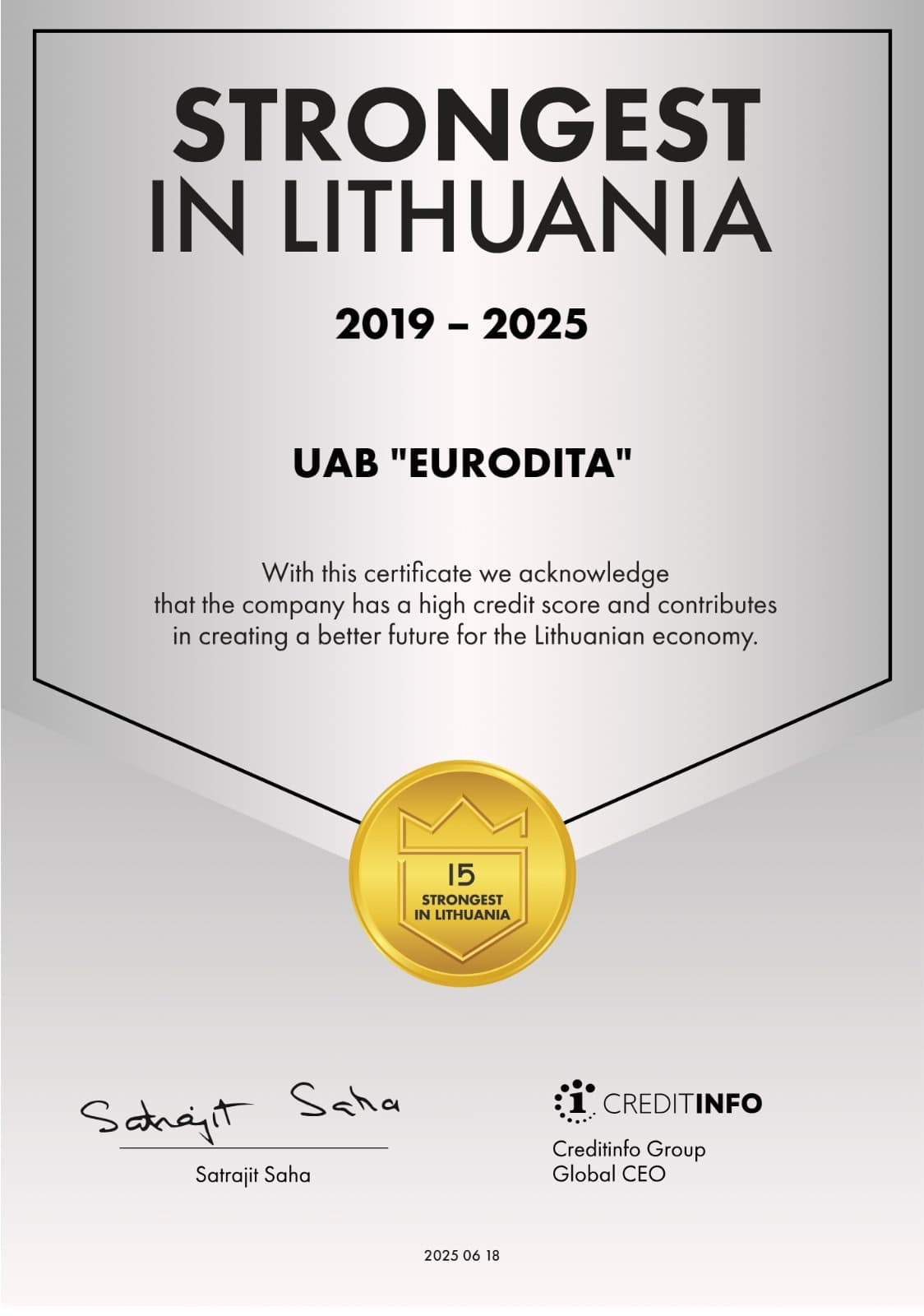
Eurodita does not hold its own FSC or PEFC chain-of-custody certificate and makes no blanket CE or UKCA claim; the documentation for a specific order is confirmed at quotation. See also the Eurodita editorial desks behind the B2B guides and what Eurodita does not do.
Correction to earlier press releases. Press releases issued on 27 January 2026 and 10 February 2026 described the timber as FSC-certified and quoted an on-time delivery rate, a number of dealer partners and lead times. Eurodita withdraws those statements. Eurodita does not hold its own FSC or PEFC chain-of-custody certificate and publishes no partner counts, delivery rates or lead times. The documentation and schedule for a specific order are confirmed at quotation.
Questions about Eurodita
Who is Eurodita?
Eurodita is a B2B private-label timber building manufacturer operating in Lithuania since 1994. The company manufactures log cabins, garden buildings, residential log cabins, glulam homes and bespoke timber structures for dealers, distributors, parks and property brands that sell under their own names.
Where does Eurodita manufacture timber buildings?
Eurodita manufactures timber buildings at its factory in Lithuania. The factory supports private-label production, CNC machining, packing and technical documentation for B2B partners. Eurodita works from a 5,000 m² factory floor and supplies partners across multiple markets.
How many cabins does Eurodita produce each year?
Eurodita produces approximately 12,000 standard cabins yearly, plus approximately 1,800 to 2,000 bespoke structures, with glulam reported separately. Those figures describe B2B manufacturing output, not retail stock. Standard catalogue work and bespoke or glulam projects follow separate quotation and production planning routes.
What materials does Eurodita use?
Eurodita uses Northern European timber for non-glulam timber buildings and engineered glulam timber for glulam homes and selected project ranges. Eurodita does not hold its own FSC chain-of-custody certificate. Glazing and technical data are confirmed according to the dealer or project specification.
How does Eurodita work with private-label partners?
Eurodita manufactures in the background while dealers sell under their own brand. Dealer-facing documents, packing labels, drawings and product information can carry the partner's company identity where agreed. Standard catalogue order scope is confirmed per quote; bespoke and glulam terms are confirmed at quote stage.
Does Eurodita sell to private clients?
Larger homes, such as glulam homes and residential log cabins, are quoted and supplied directly to private clients as factory-made kits. For small garden buildings, the supply route is confirmed project by project.
Start a conversation with Eurodita
Send your company and destination market, the product family or a drawing, the expected quantity and the timing you are working towards. Eurodita checks business and project fit, asks for any missing input and, where the brief fits, prepares a written quotation with drawings and 3D visuals.