Contemporary Log Cabins
Frequently Asked Questions
How do contemporary log cabin designs differ from traditional rustic log cabin designs in the dealer's product range?
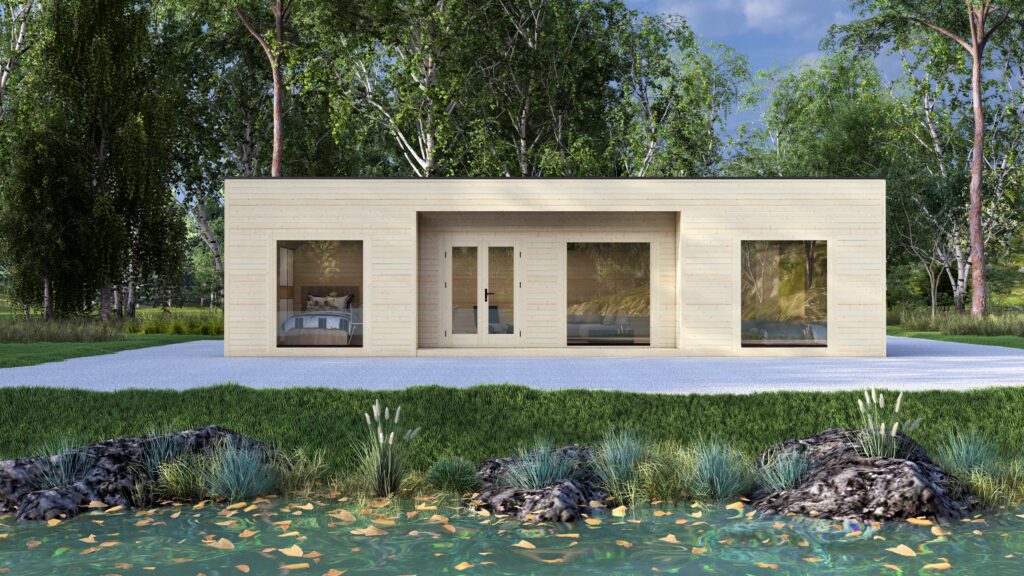
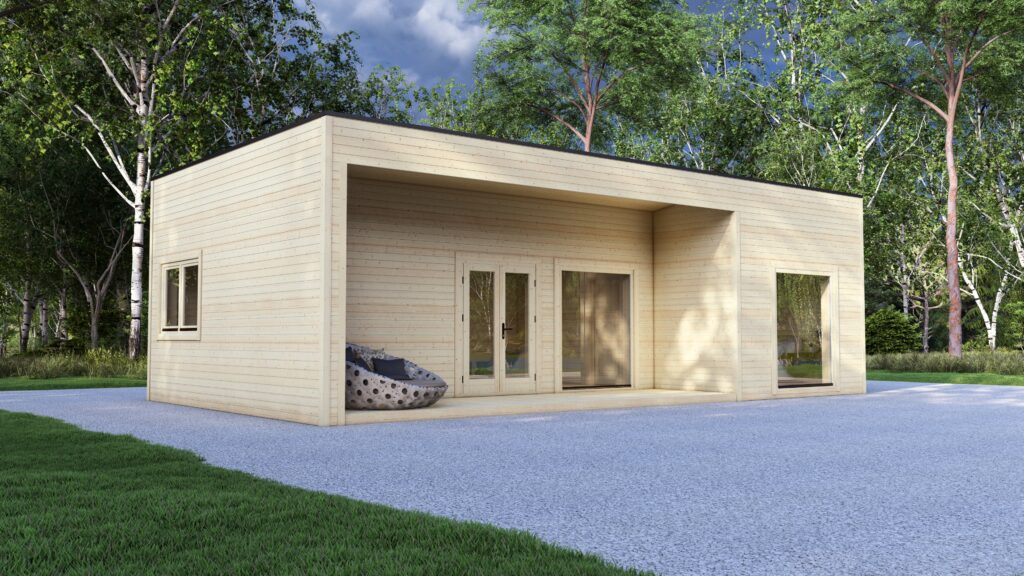
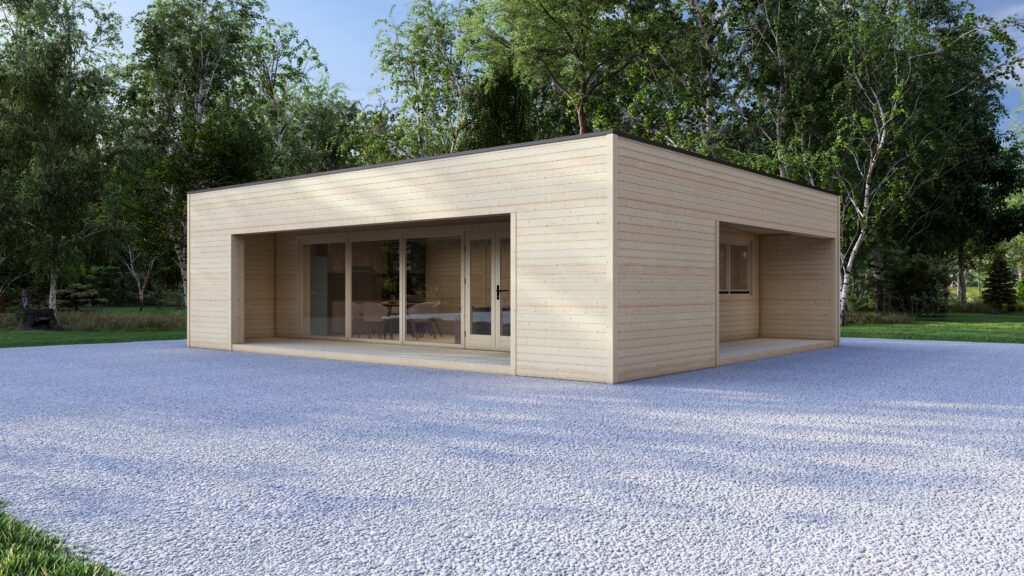
Contemporary log cabins apply modern architectural principles to log construction: cleaner geometric lines, larger glazed areas, simpler roof profiles, and open-plan interior layouts versus the segmented chambers and decorative trim of traditional rustic designs. The structural framing is the same machined timber; the differentiation is aesthetic. Contemporary designs target younger buyers, design-conscious homeowners, and developers building style-led residential ranges. Traditional designs target rural restoration and heritage-aesthetic buyers. Dealers should stock both to capture the full segment. See log cabins range for related context.
What construction choices distinguish contemporary log cabins versus traditional logs in the Eurodita range?
Contemporary log cabin construction typically features wider glazing modules, lower-pitch or flat roof profiles (versus high-pitch traditional roofs), reduced exterior decorative detail, and squared corner profiles. Wall construction itself, whether solid log or twin-skin, is the same as the traditional range. The contemporary aesthetic is achieved through proportion, glazing, and roof geometry rather than fundamentally different structural engineering. Dealers can offer contemporary aesthetic on standard solid-log or twin-skin wall constructions. See twin-skin construction range for related context.
How do contemporary log cabin glazing areas affect thermal performance compared to traditional designs, and how does Eurodita document this?
Contemporary designs typically include larger glazed areas than traditional log cabins, which affects building thermal performance under Building Regulations Part L. Eurodita supplies double-glazed windows and doors as standard; triple-glazed options are available where the dealer's thermal brief requires lower U-values. Thermal documentation is prepared per order using the specified glazing area and U-value targets. For Building Regs compliance, dealers should confirm thermal performance with the local building control body before order. See certifications for related context.
What customer profile does the contemporary log cabin range typically attract for dealers stocking it?
The contemporary log cabin customer profile is typically younger (35 to 55 age bracket), design-conscious, and seeking residential architecture with timber aesthetic but modern proportions. This customer often considers contemporary timber houses, modular homes, and architect-designed builds as alternatives. Dealers stocking contemporary ranges position themselves to capture the design-conscious customer who would not consider traditional rustic logs. The contemporary segment supports premium pricing relative to standard rustic equivalents. See dealer resources for related context.
How does Eurodita's contemporary log cabin range integrate with the standard residential range in dealer presentations?
Contemporary log cabins sit alongside the standard residential range in dealer presentations as a parallel option, not a replacement. Dealers typically present customers with traditional, contemporary, and twin-skin options to capture the customer's aesthetic preference. The structural specification, materials, and CNC machining are consistent across all three ranges. Configuration choice is made by the customer based on aesthetic preference; specification choice is made jointly with the dealer based on end-use, climate, and regulatory requirements. See private-label manufacturing for related context.