
The base of a log cabin kit
The base of a log cabin is built locally. It is not part of the kit, and its type and sizing depend on ground that only a local professional has seen. What a manufacturer can give a dealer is the other half: the dimensions the base is planned from and the parts of the kit that meet it. Eurodita, a timber building manufacturer in Lithuania manufacturing timber buildings since 1994, sets them out here.
This guide recommends no foundation type and gives no sizing figures; those belong to the local professional who knows the site.
At a glance
What the kit brings to the base
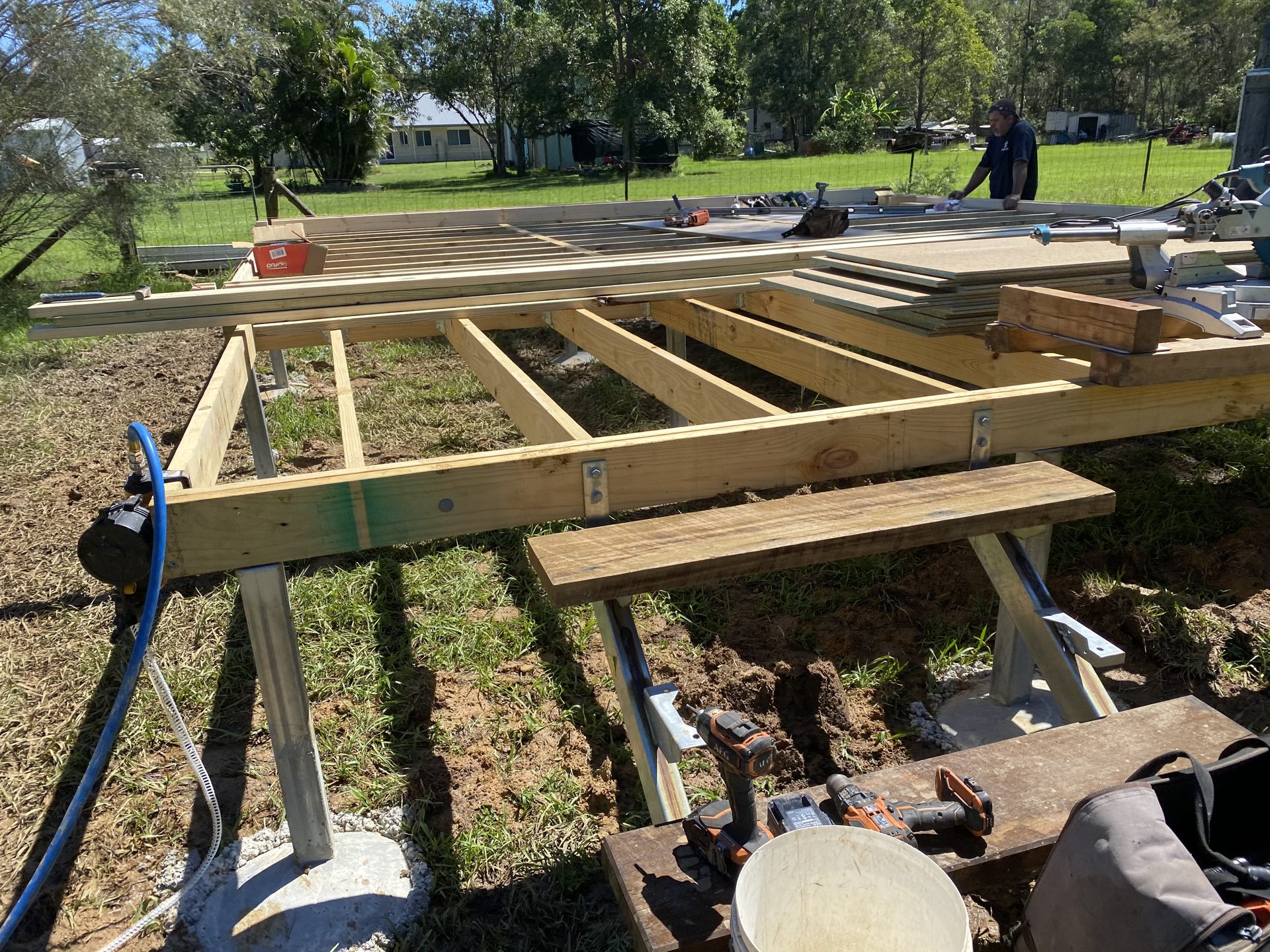
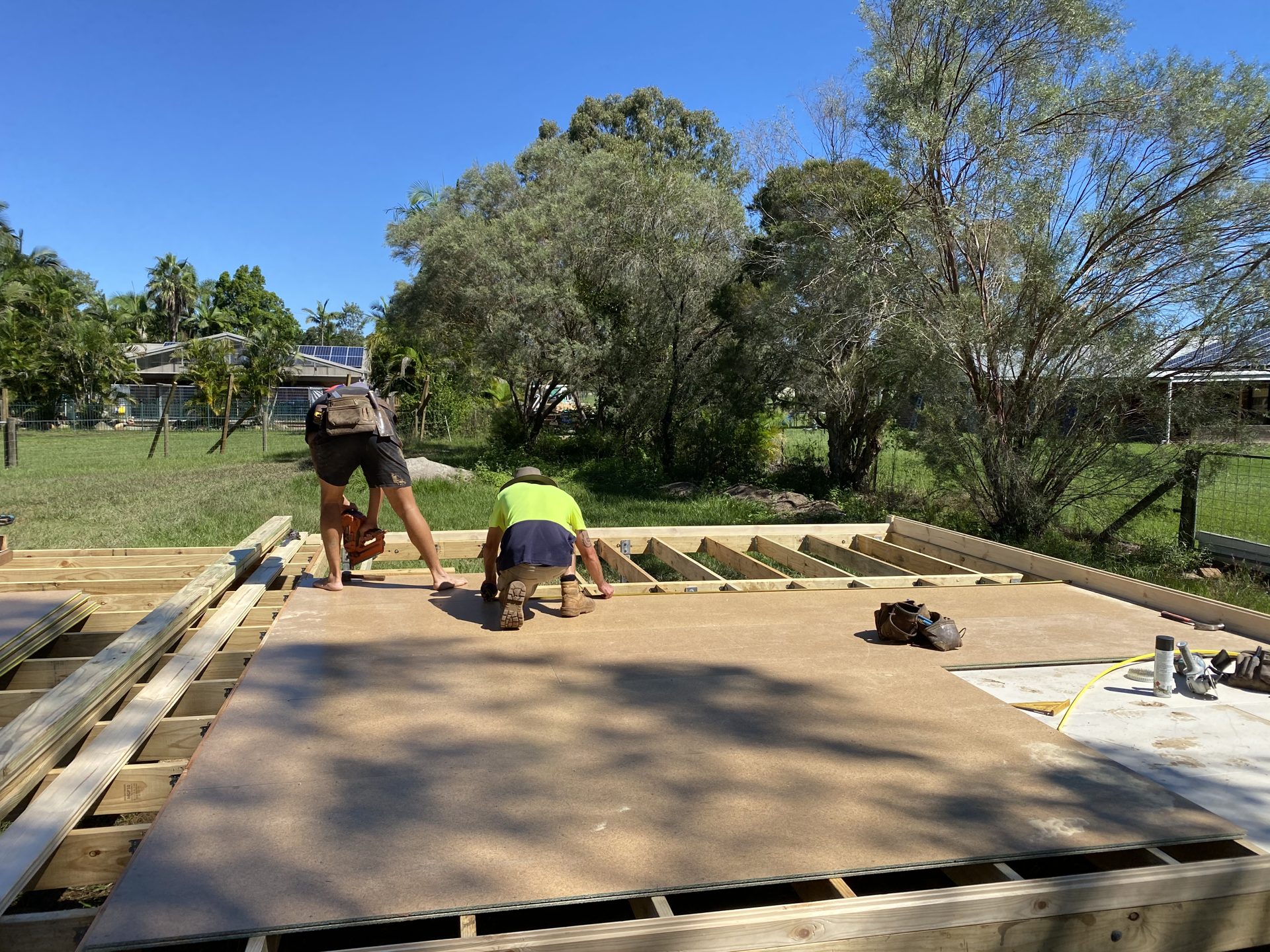
The kit is always flat packed and carries floor bearers and floorboards: bearers impregnated as standard, and 28 mm as the standard floorboard. Open structures such as carports and gazebos are recorded without floorboards, and garages are supplied without a floor by default; a floor can be supplied on order. The storm brace and anchor set, the hardware for bracing the wall structure and anchoring the building to its base, is recorded as Included on the data sheet of every solid log and twin-skin model; fitting it is part of assembly.
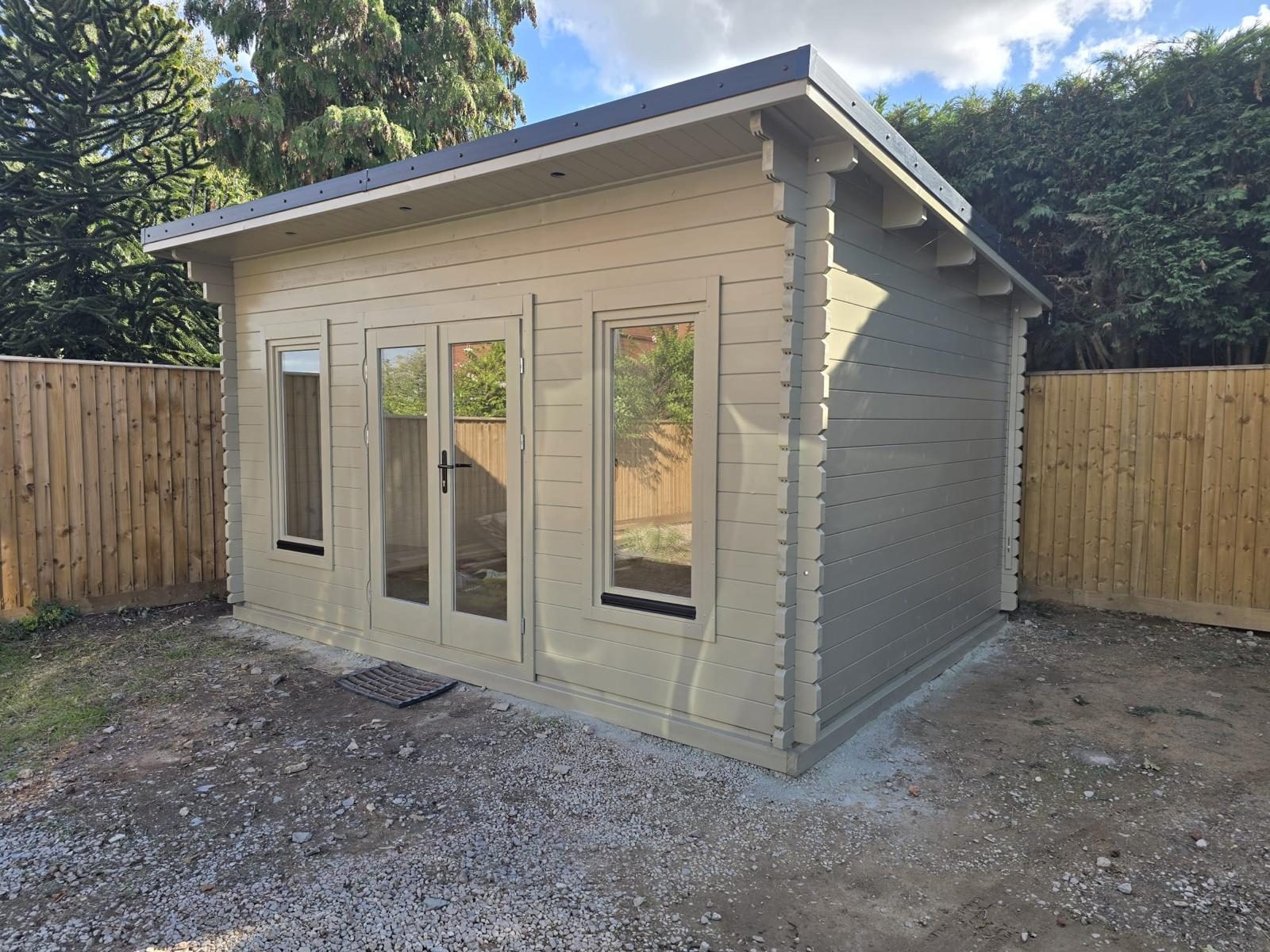
The base is planned from the external footprint of the model. The page base size by model gives the external footprint by model; for a bespoke building the order drawings are the reference.
What is decided on site
The foundation type, its sizing and its construction depend on the ground, the slope, the drainage and the building. A slab, piers or piles, a strip footing: the choice is made by the local professional who knows the site, a builder, an engineer or a groundworks contractor. Where a project needs structural calculations, they are carried out by external specialist partners.
Foundations, utilities and approvals are on the buyer's side unless agreed otherwise. Installation is agreed per project, and turnkey delivery is not part of the standard supply. The final height of the building on site depends on the base, which matters wherever a height limit applies locally.
What a dealer checks before the kit arrives
- The base matches the external footprint on the order drawings, which replace the catalogue figures for that order.
- The base is finished and accessible before the delivery date agreed with the forwarder.
- Unloading equipment and safe access are arranged; unloading is the buyer's or the site's responsibility.
- The delivery is checked against the packing list and the order drawings before assembly begins.
- Who assembles is settled: assembly is by the buyer's own builder or local crew from the order drawings, unless installation is agreed for the project.
Frequently asked questions
Which foundation does a log cabin need?
The foundation type, its sizing and its construction depend on the ground and the building, and are chosen by the local professional who knows the site. Eurodita recommends no foundation type; it supplies the external footprint and the drawings the base is planned from.
Is the base included in the kit?
Foundations are built locally and are on the buyer's side unless agreed otherwise. The kit carries impregnated floor bearers and 28 mm floorboards as standard and, on solid log and twin-skin kits, the storm brace and anchor set.
Which dimensions is the base planned from?
Every dimension Eurodita states is external. The base is planned from the external footprint of the model and the drawings for the order; the page base size by model gives the footprint by model.
Does Eurodita build the foundation or install the cabin?
Installation is agreed per project. Foundations and utilities are provided locally, and turnkey delivery is not part of the standard supply.
How to prepare an enquiry
Send the model or drawing reference with the external dimensions, the wall written in full, the destination country and the unloading equipment available on site. Say whether installation should be discussed for the project.
Eurodita replies with a written quotation and specification; the drawings and the packing list follow as the order progresses. The contents of a kit are set out on what is in a Eurodita kit.